
Material Notes
How to Compare Outdoor Cushion Fabric Swatches for a Hotel Terrace
Compare hotel terrace cushion swatches by exact model, zone, physical memo, care guidance and project-required evidence before approval.
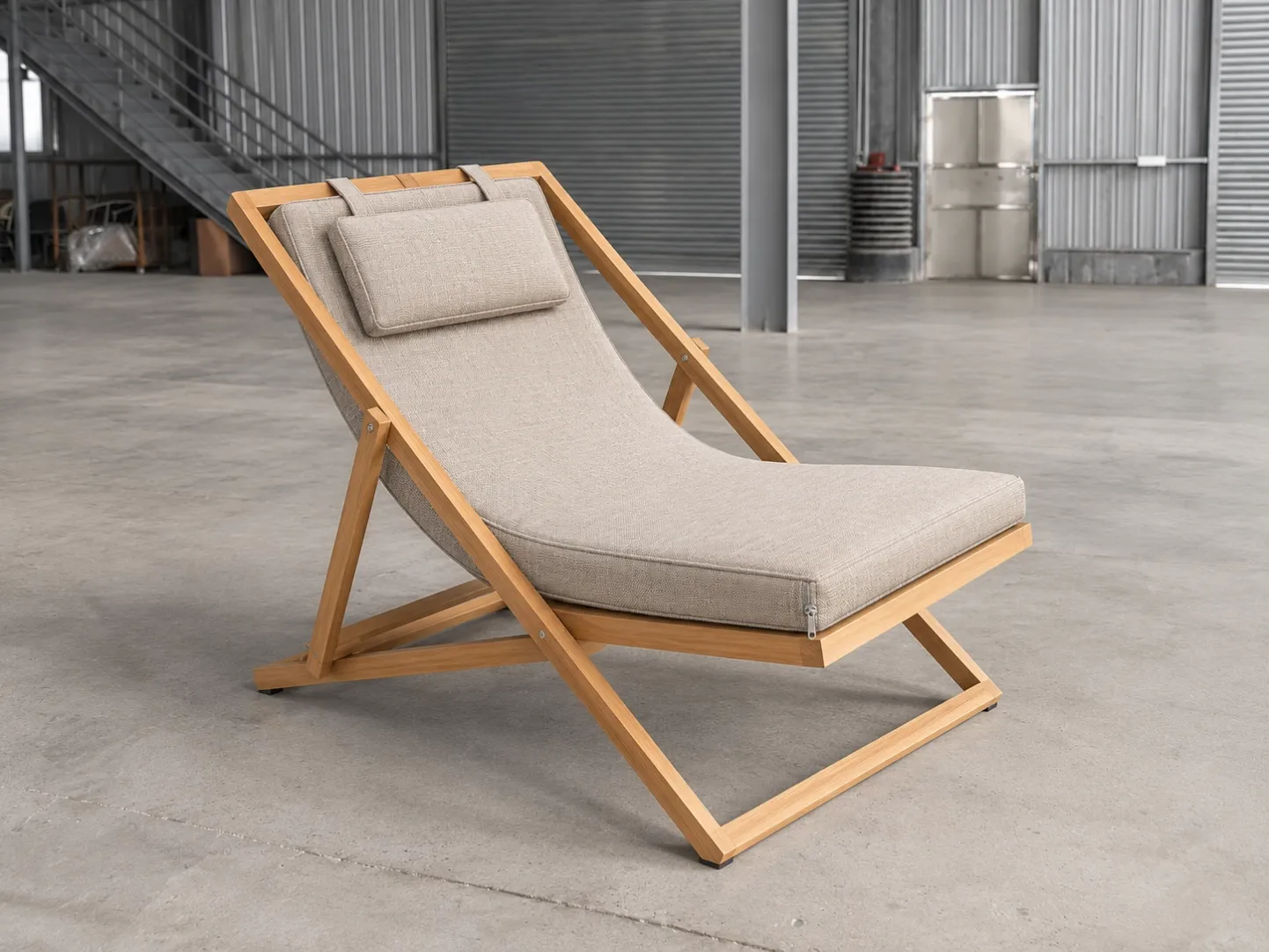
Direct answer. Compare hotel terrace cushion fabric swatches only after each memo is tied to a specific furniture model, zone and current supplier reference. Record the fabric name or code, construction, visible colour under the intended light, tactile response and cleaning questions. Ask for the actual proposed cover and filling specification, care instructions and any evidence required by the project's own criteria. A generic outdoor label or test icon from another supplier is not proof about a DM cushion. Keep the swatch, approved photo and decision date together so procurement, the operator and the supplier can refer to the same configuration.
Cover image: AI-generated from a DM showroom photograph of a cushioned lounge chair. It illustrates a furniture and cushion surface, not a physical swatch, fabric code, exact model, hotel project or test result.
Link the memo to a furniture item
Assign a candidate sofa or chair model, cushion position and terrace zone to each swatch. A pretty swatch without a model reference cannot establish what will be quoted. The hotel finish schedule (https://www.dmfurnitures.com/blog/hotel-outdoor-furniture-finish-schedule) owns the broader zone palette; this checklist handles one proposed textile's identity and evidence.
Compare appearance and use separately
View actual memos in the intended light and photograph them beside a named neutral reference. Record who will clean and store the cushion, but do not write a cleaning procedure until the exact material's care sheet is available. The ACT guidelines (https://contracttextiles.org/performance-guidelines/) distinguish fabric construction, application and use; they do not certify any DM product. Ask the supplier for relevant exact-fabric test documentation where the project requires it, and keep compliance review with the responsible local professional.
Keep appearance, care and compliance in separate columns
An acceptable colour match does not answer whether the proposed cover can be cleaned under the hotel's operating routine. A care sheet does not establish a project-required test result. Record each decision with its own evidence and reviewer. Use the actual swatch ID when photographing the memo; otherwise two similar neutral colours can be confused when design and purchasing teams exchange files.
For every proposed material, ask whether the physical memo matches the current quote, which cushion positions use it, and whether the cover and filling are identified as separate components. If the source cannot tie a swatch to the quoted model, mark the textile selection unconfirmed. Do not convert a public photo of a cushioned sofa into a fabric code, fabric brand or performance rating.
Close the textile questions before approval
The design reviewer can approve appearance, but operations should review the exact care document and procurement should confirm the quoted identity. A project that requires a test or local compliance review needs documentation for the actual proposed material and configuration, not a generic icon. Put unresolved documents and the responsible decision owner on the approval sheet. A HOLD is more useful than an apparent sign-off that hides missing evidence.
Approval sheet: model and cushion location; fabric code and source; swatch ID; appearance observations; care document requested/received; project-required evidence; open questions; authorized decision. Use Outdoor Sofa Sets (https://www.dmfurnitures.com/outdoor-sofa-sets) to shortlist exact models, then send the swatch/evidence brief through Contact (https://www.dmfurnitures.com/contact-us).
FAQ
Does an outdoor label prove suitability for every hotel terrace? No. The exact fabric and project use need their own review.
Can a screen colour approve a textile? No. Record the physical memo and its identity under the intended light.
Does an ACT guideline mean DM has passed a test? No. Request documentation for the exact proposed material and product.
Who owns cleaning approval? The hotel's operations team should approve its feasible routine against the material-specific care sheet.
