
How to Prepare Outdoor Furniture Carton Marks Before Shipment
Prepare outdoor furniture carton marks with clear model, variant, carton sequence, handling and receiving information before shipment approval.

Carton marks are easy to treat as a final printing task. For an outdoor furniture order with several models, finishes, cushions or destinations, that is too late. The mark should be built from the same controlled product identity used in the purchase order, approved sample and packing list. Its job is not to advertise the product. Its job is to help the supplier, forwarder, customs team and receiving warehouse identify the right goods without guessing.
This guide is a document-control checklist, not legal, customs or carrier advice. Importers should confirm destination, retailer, barcode and regulatory requirements with their own logistics and compliance teams before approving any label.
1. Decide what the carton mark must solve
Begin with the receiving problem. A hotel project may need cartons separated by property or guest zone. A distributor may need model and color variants to remain distinct. A retail program may require its own item number or barcode workflow. Write those needs down before anyone designs the mark.
The mark should make four questions answerable: what product is inside, which approved variant it is, where it belongs, and how the package relates to the shipment record. If a field does not support one of those questions or a confirmed requirement, it may not belong on the mark.
2. Freeze the model and variant matrix first
A mark cannot correct an unstable product list. Use the exact model code and agreed variant description from the approved order record. Keep frame finish, weave or fabric reference, cushion option and set composition in separate fields where they matter. Do not compress different variants into an informal nickname that appears nowhere else.
If the assortment is still changing, return to the outdoor furniture assortment planning guide before approving printed marks.
| Control field | Source record | Approval question |
|---|---|---|
| Buyer item number | Purchase order or item master | Is the code unique to the ordered product? |
| Supplier model | Approved model schedule | Does it match the quotation and sample record? |
| Variant | Finish and material approval | Can similar colors or weaves be distinguished? |
| Carton sequence | Packing plan | Is the format consistent across the shipment? |
| Destination reference | Buyer routing instruction | Is the required project, warehouse or order reference exact? |
3. Separate product identity from logistic-unit identity
Human-readable model information and a logistics identifier are not the same thing. Product fields help people recognize the contents. A logistic-unit identifier supports movement and traceability at pallet or shipment-unit level when the buyer's supply chain uses that system.
GS1's Logistic Label Guideline distinguishes human-readable information from machine-readable data and explains the SSCC for identifying logistic units. Do not add an SSCC or barcode simply because another shipment used one. Confirm who allocates it, which company prefix applies and whether the buyer's system expects it.
4. Build one carton-mark approval sheet
Do not approve marks through scattered chat screenshots. Create one dated sheet that shows the final layout, field names, exact sample values, text size expectations, barcode rules if applicable, label position and the person responsible for final approval. Give the file a revision number.
The approval sheet should also show what is intentionally excluded. Prices, internal factory notes, unconfirmed material claims and private customer information should not drift onto a shipping mark.
5. Use handling symbols only when they are necessary
ISO 780 covers graphical symbols used on distribution packages to communicate handling and storage instructions. The ISO description also notes that the symbols should be used only when necessary. This is a good discipline: select symbols because the package and handling plan require them, not because an old carton template contains them.
Ask who decided each symbol, what instruction it communicates and whether its position remains visible after the package is grouped or palletized. Confirm destination and carrier requirements separately.
6. Review wood packaging as a separate requirement
If a shipment uses raw-wood pallets, crates or dunnage, the relevant phytosanitary requirements should be checked before shipment. IPPC's ISPM 15 addresses wood packaging material used in international trade and distinguishes covered raw-wood packaging from certain processed-wood materials. This does not mean every furniture carton needs an ISPM 15 mark.
The buyer, supplier and logistics provider should identify whether regulated wood packaging is present and confirm the applicable treatment and marking route with the authorized parties. Never create, copy or imitate an official mark without the required authorization.
7. Approve a printed sample before batch application
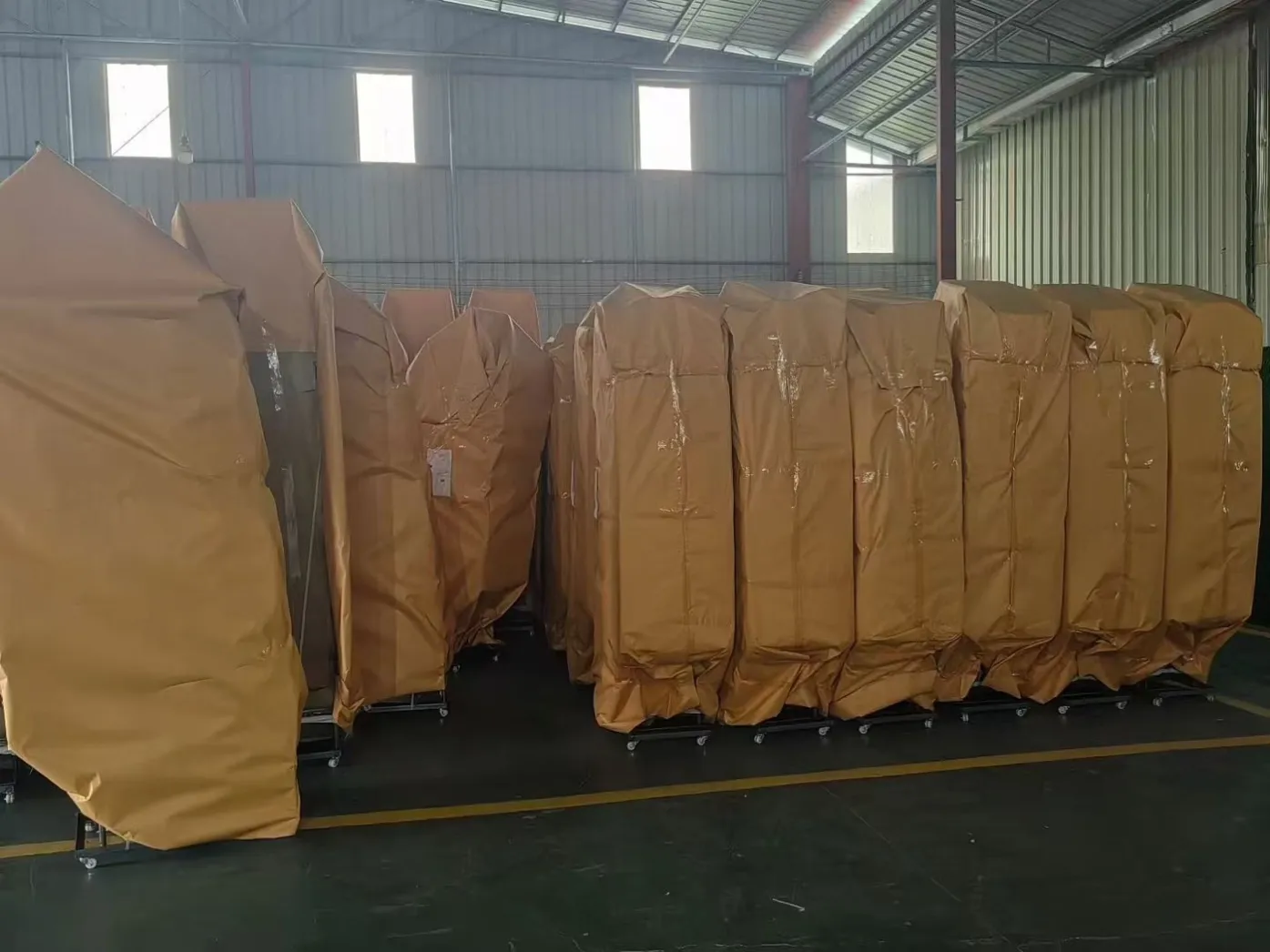
Review a real printed sample on the intended carton or protective package. Check legibility, contrast, adhesion, scan performance where relevant, field completeness and placement. Compare the sample against the approved data table, not only against the visual mockup.
Use the same controlled-change approach described in the customization approval guide. If a model, finish, destination or buyer code changes, revise the mark record and preserve the earlier version instead of editing silently.
8. Reconcile marks with the packing list
Before shipment release, compare the carton-mark schedule with the packing list and order line by line. Look for missing variants, duplicated carton sequences, inconsistent model codes and destination references that do not match the buyer's instruction. The mark should not introduce a second version of the product identity.
This reconciliation is different from comparing supplier quotations. The quotation comparison guide helps normalize commercial scope before supplier selection; carton-mark control protects identity after the order scope is approved.
9. Prepare the receiving team
Send the approved mark schedule to the receiving warehouse before the goods arrive. Explain which fields identify model, variant, project zone and carton sequence. If exceptions exist, list them explicitly. A mark only helps when the receiving team knows how it maps to the inbound record.
Photographs of representative finished marks can support the handover, but they do not replace the packing list or approved data table.
Buyer checklist before approving carton marks
- Use exact buyer item numbers and supplier model codes from controlled records.
- Separate finish, weave, fabric, cushion and set variants where needed.
- Confirm destination, warehouse, project and order references.
- Define carton-sequence wording and keep it consistent.
- Confirm whether barcodes or SSCC data are actually required and who allocates them.
- Approve handling symbols deliberately and confirm carrier or destination needs.
- Check separately whether regulated wood packaging is used.
- Approve the artwork, data table, label position and one printed sample.
- Reconcile the final mark schedule with the packing list.
- Send the approved schedule to the receiving team.
Frequently asked questions
Should every outdoor furniture carton use the same fields?
No. Use a stable core identity, then add only the order, destination, retailer or project fields that are confirmed for that shipment.
Is a supplier model number enough?
Not always. Buyers may also need their own item number, variant reference, destination or carton sequence. The combination should map back to the approved order records.
Does every carton need a barcode or SSCC?
No universal rule is assumed here. Confirm the buyer's supply-chain system and the responsible allocating party before adding machine-readable identifiers.
When should carton marks be approved?
After model and variant scope is stable, but before batch printing or application. Leave time for a real printed-sample review and correction.
Prepare a cleaner shipment identity
When requesting outdoor furniture information, include the product models, estimated quantities, destination and any known labeling or receiving requirements. DM Furniture can then organize the product discussion around a clearer scope without assuming unconfirmed carton details.


