Buying Guides
Partial Replacement of Hotel Outdoor Furniture: A Zone-by-Zone Buying Brief
Separate retained, pending and new outdoor furniture by hotel zone before requesting quotes. Use a practical scope sheet for models, quantities and visual references.
Direct answer. A hotel outdoor furniture partial replacement checklist should start with the property's own decision about what remains in use, what needs further assessment and what is approved for new purchase. Separate pool decks, restaurant terraces, balconies and lounge areas so one worn group does not become an unexamined property-wide order. For every proposed replacement, record the zone, existing item or photo reference, reason for change, approved quantity, intended new product category and who signed off the scope. Give the supplier only the approved new-supply lines, while showing retained pieces that the new furniture must sit beside. Leave repair, safety and exact visual matching as decisions to verify, not assumptions in a quotation.
A partial refresh often starts with an uneven inventory: some chairs remain serviceable, some pieces are held out of use, and some models no longer have a readable label. The aim of the first brief is not to diagnose every item. It is to stop a quote from quietly mixing confirmed replacements with unresolved site decisions.
Decide where the new purchase begins
Walk each outdoor operating zone with the team that manages it. Use the property's current furniture schedule if one exists, but compare it with what is actually present. Give the pool deck, restaurant terrace, balcony group and courtyard lounge their own identifiers. A shared model can still need a different decision in each zone because use, appearance and retained neighbors differ.
For each item group, record a plain observation and put it in one of three buyer-side states: remaining in the current layout, awaiting a named assessment, or approved for replacement. These are procurement statuses, not product-safety verdicts. If an item has a stability, injury or accessibility concern, follow the hotel's own safety procedure and authorized review. Do not ask a furniture quotation to resolve that responsibility.
Make the retained pieces visible to the supplier
The replacement line is only half of a partial-order brief. A supplier also needs to know what will remain beside it: frame form, apparent color, cushion arrangement, table height or the layout it must join. Capture a wide zone photo and close references of the existing furniture. Add an old model code or purchase record if known. If it is unknown, label it unknown; a photo is useful for discussion but is not proof of model identity or hidden construction.
Decide whether the design aim is a close visual match or an intentional new group. A color name or phone photograph cannot guarantee an exact match to outdoor furniture already exposed to use and weather. Request a current physical/sample reference where appearance matters, and record the buyer's decision in the hotel outdoor furniture finish schedule (read the guide). For a known prior DM model being reordered, compare its earlier approved specification with the current proposal field by field. An unknown legacy product must not be described as an exact match.
Lock one supplier-facing scope sheet
The scope sheet should let a quotation team price new supply without guessing the hotel's repair plan or the number of units still under review. One line can cover a consistent group only when model/reference, intended configuration and finish decision are the same. Split mixed decisions even when they are in the same terrace.
- Zone and current group — Buyer entry: Stable zone code, wide photo, existing item/reference if known — Why: Places the proposed new pieces beside the right retained furniture.
- Decision state — Buyer entry: Retain, assessment pending or approved new purchase, with date and approver — Why: Keeps unresolved units out of the confirmed order quantity.
- New-supply line — Buyer entry: Product category or shortlisted exact model, configuration, approved quantity — Why: Separates a quote request from an unverified repair or spare-part assumption.
- Appearance interface — Buyer entry: Retained-item photos and match-or-contrast intent; approved sample status — Why: Exposes visual risk without promising batch or aged-finish equivalence.
- Site and timing input — Buyer entry: Destination, zone access owner and requested purchasing phase — Why: Helps the supplier ask the right delivery questions; it is not a promised lead time.
- Open decision — Buyer entry: Specific question, responsible buyer and due date — Why: Makes gaps visible instead of filling them with guessed specifications.
Before sending the sheet, tally approved new-purchase quantities by zone and product group. Keep the pending count in a separate column; do not add it to the order just to make the budget look complete. Record the schedule revision used for approval so a later change can be identified rather than silently overwriting the first scope.
Check the few interfaces that change the buying decision
On a pool deck, the buyer may need a different lounger or side-table group while retaining other seating. Document the existing arrangement and the operating team's circulation decision; a supplier should not invent a universal clearance for the property. On a restaurant terrace, compare the new chair or table group with the existing service layout and the furniture that remains. On balconies, identify the actual balcony type and retained pieces rather than using one photograph to represent every room. In a lounge, list module and loose-piece identities separately so a missing component is not quoted as a complete new set.
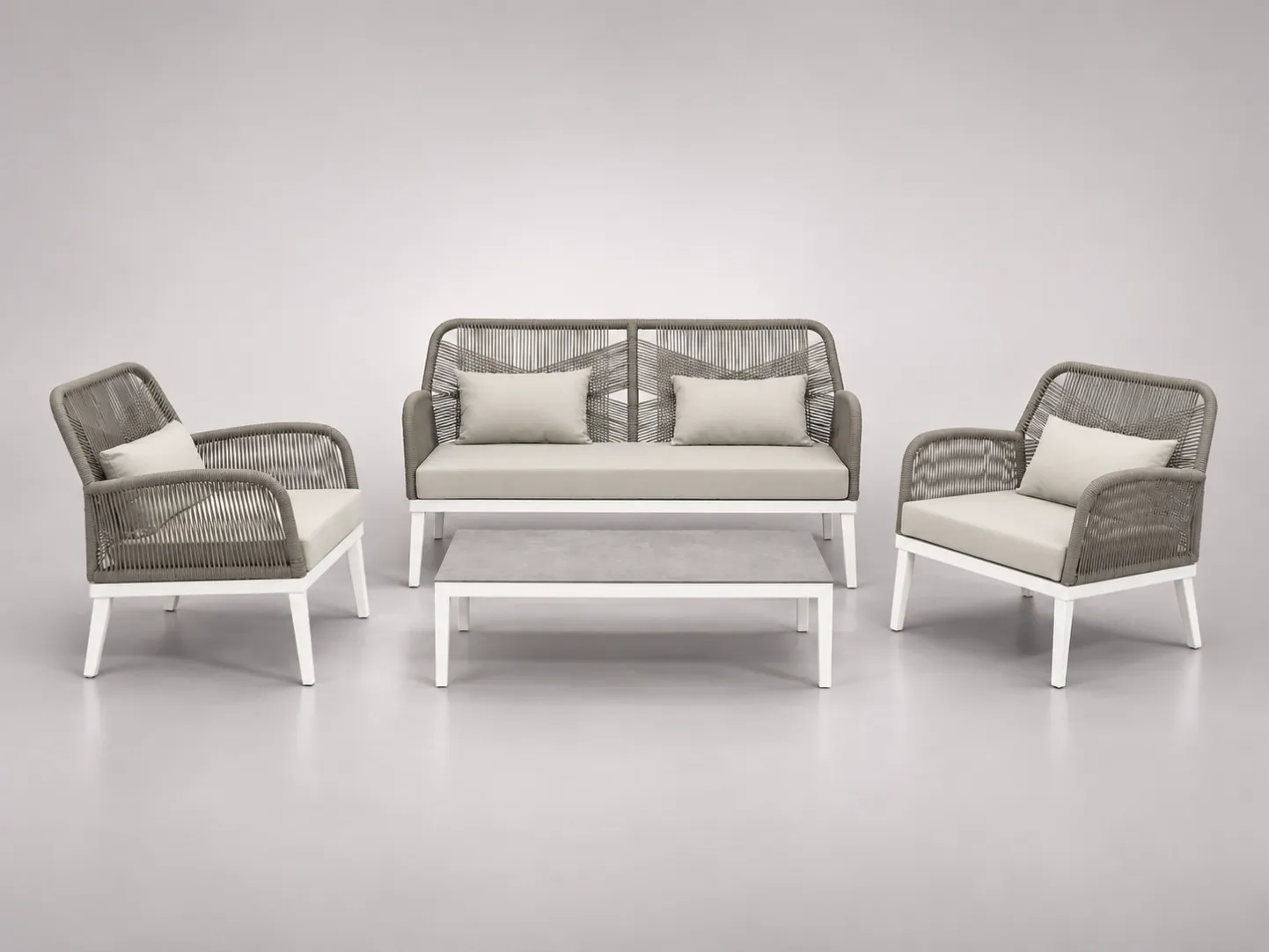
The hotel and resort outdoor furniture page (view the application) and product categories (browse categories) provide starting points for a new-model shortlist, not evidence that a depicted set is installed at this property. If an outdoor piece needs a repair or spare part, first establish whether that exact item and scope are supportable; do not infer a service or inventory commitment from a similar product image.
Release the RFQ only after the property approves the scope
Ask the authorized owner or procurement lead to approve the new-supply rows, not a general instruction to “refresh the patio.” Send the approved zone schedule, shortlisted models or reference images, quantities, intended material/finish direction, destination and open questions. Mark sample decisions pending where they are pending. If the property plans phased purchasing, identify the phase of each zone; the resort delivery-sequence guide (read the sequence guide) handles the later arrival plan once the buying scope is settled.
This creates a useful boundary: the hotel decides what to retain or remove, and the supplier responds to the confirmed new-product request. A quotation can then compare like-for-like scope without claiming that a replacement cures a site issue or exactly matches aged furniture.
Buyer checklist before requesting quotes
- Does each outdoor zone have its own identifier, photo and current item count?
- Are retained, pending and approved replacement quantities separated?
- Is an unknown old model labeled unknown rather than guessed from a similar image?
- Is the intended relationship to retained furniture clear: match, coordinate or deliberate contrast?
- Are safety, repair, disposal and operating decisions assigned to the property's authorized parties?
- Is every new-supply line approved with a model/category, configuration, quantity and destination?
- Are sample and finish questions listed as open when no approval exists?
- Can the supplier answer the RFQ without inventing a spare-parts, lead-time or exact-match promise?
Frequently asked questions
Can we replace only selected pieces in a hotel outdoor zone?
Yes, if the property's decision-makers approve a defined scope. List the retained pieces and the new-supply quantities separately, then review whether the intended mix works for that zone. The quote should not silently include items still under assessment.
What if the original outdoor furniture model is unknown?
Record wide and detail photographs, the zone, visible construction and measured dimensions needed for comparison. Mark the old model as unknown. A supplier may propose a new option, but should not call it an identical replacement without a verified reference and approval.
Will a new batch exactly match furniture that has been outdoors for years?
Do not assume so. Weathering, material changes and production variation can affect appearance. Share retained-item references and agree whether the goal is close coordination or deliberate contrast. Confirm the current sample and acceptance decision for the proposed new furniture.
Can DM Furniture decide whether an existing hotel chair is safe to keep or repair it?
This guide does not offer a site safety assessment, repair program or spare-parts commitment. The hotel's authorized team should assess use and repair questions under its own process. Send DM Furniture the approved new-product scope and any exact-model question for a specific response.
Ready to request a partial-replacement quote? Send the approved zone sheet, model shortlist or reference photos, new-supply quantities and destination through Contact DM Furniture (open the inquiry form). Keep pending hotel-side decisions visible so they are not mistaken for confirmed order lines.
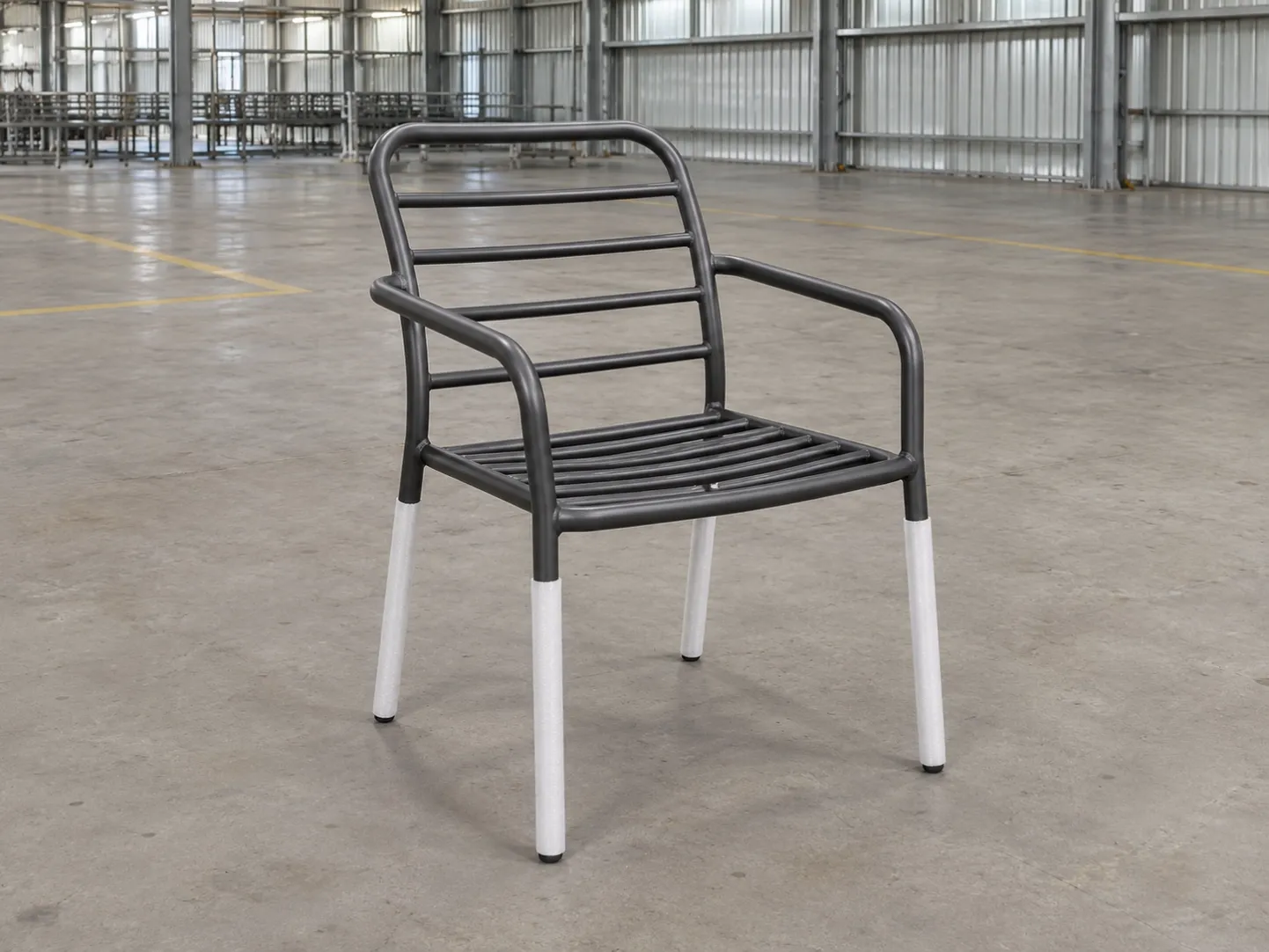
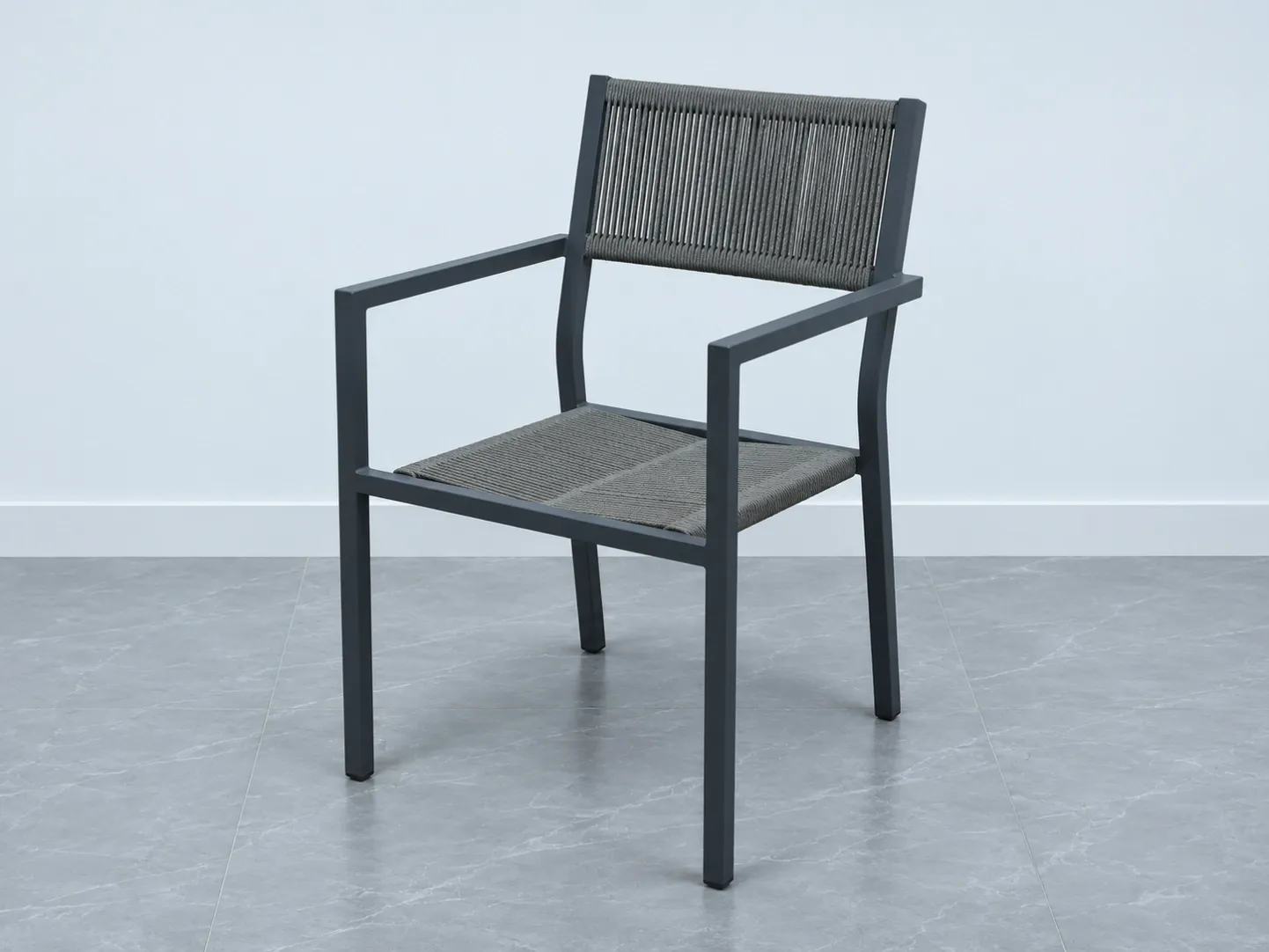
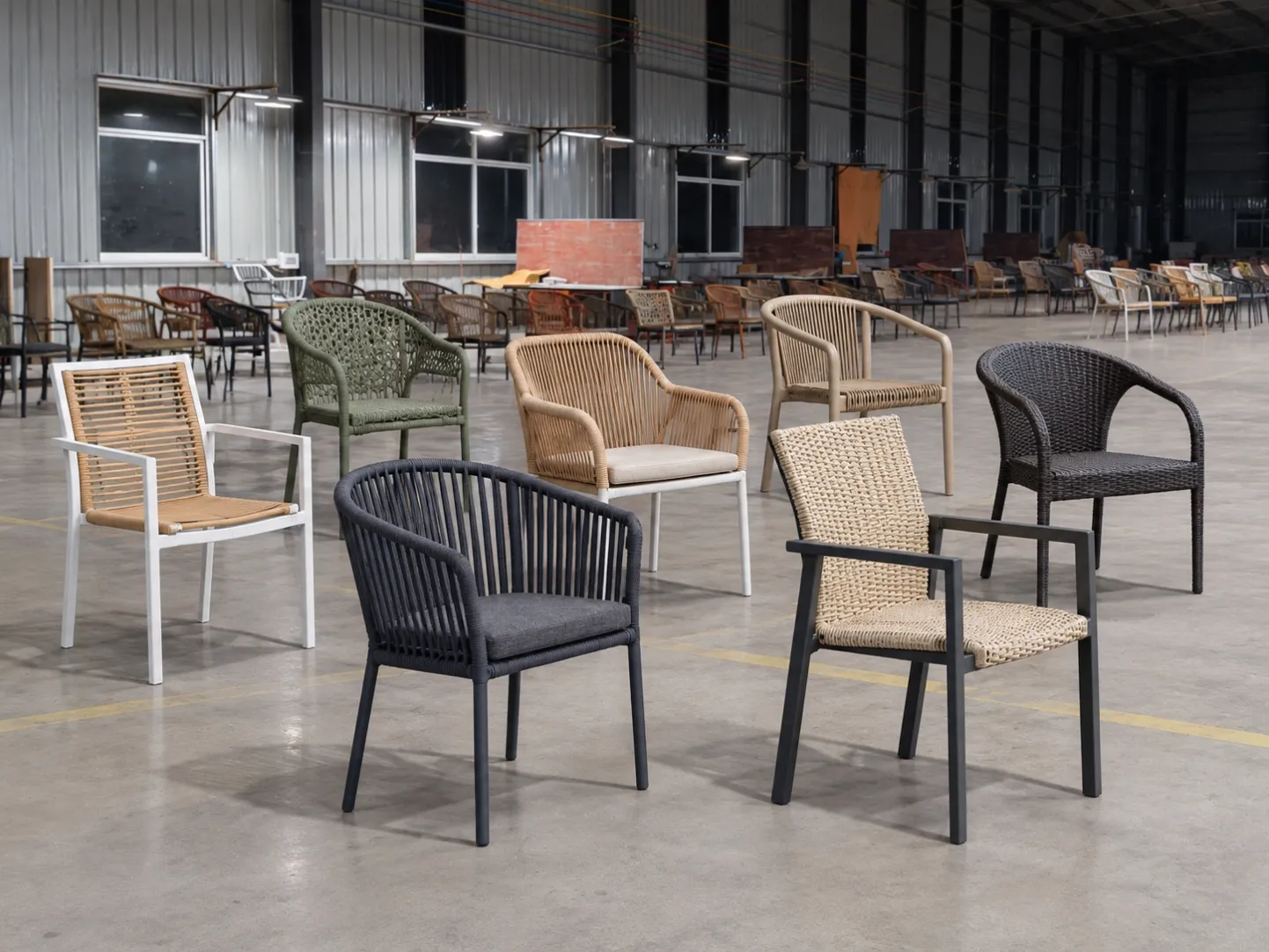
Cover: concept product composition derived from a DM-owned catalog image. It is not an actual hotel installation, completed replacement project or claim that a specific pictured model is available for this scope.