Buying Guides
How to Record Outdoor Furniture Dimensions at Sample Approval
Record exact sample measurements against a dated model specification, including datum points, photos, differences and the named buyer approval.
Direct answer. At outdoor furniture sample approval, record dimensions against a named model and dated specification rather than an isolated tape-measure photo. Identify the sample version, finish and any cushion or table component fitted. Mark the start and end points for each measurement, photograph the setup, and note the instrument and operator. Compare the observed values with the current source document, but do not silently decide that a difference is acceptable: ask the supplier to explain it and have the authorized buyer approve any revised specification. Keep the final record with the quotation and purchase-order reference.
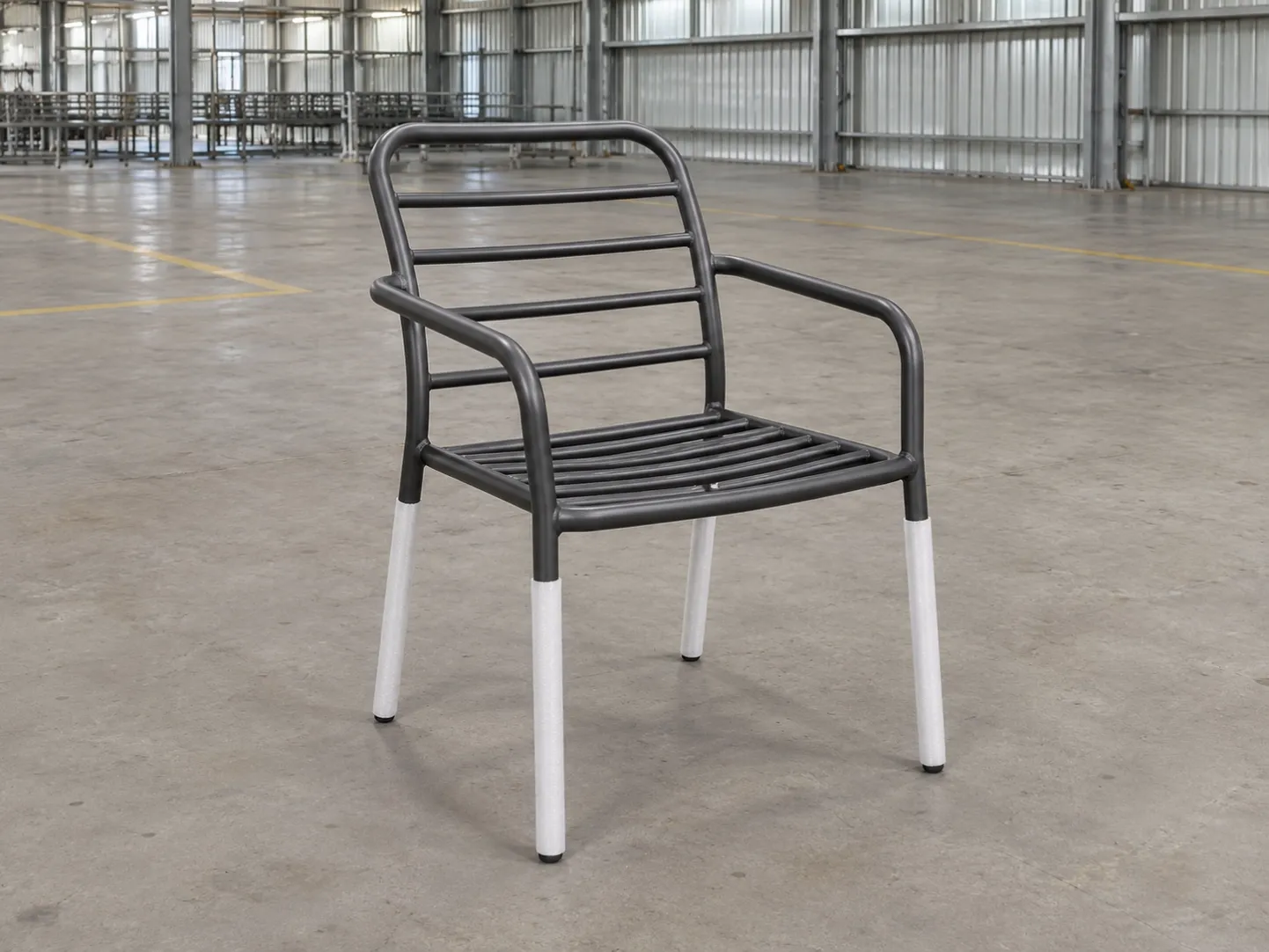
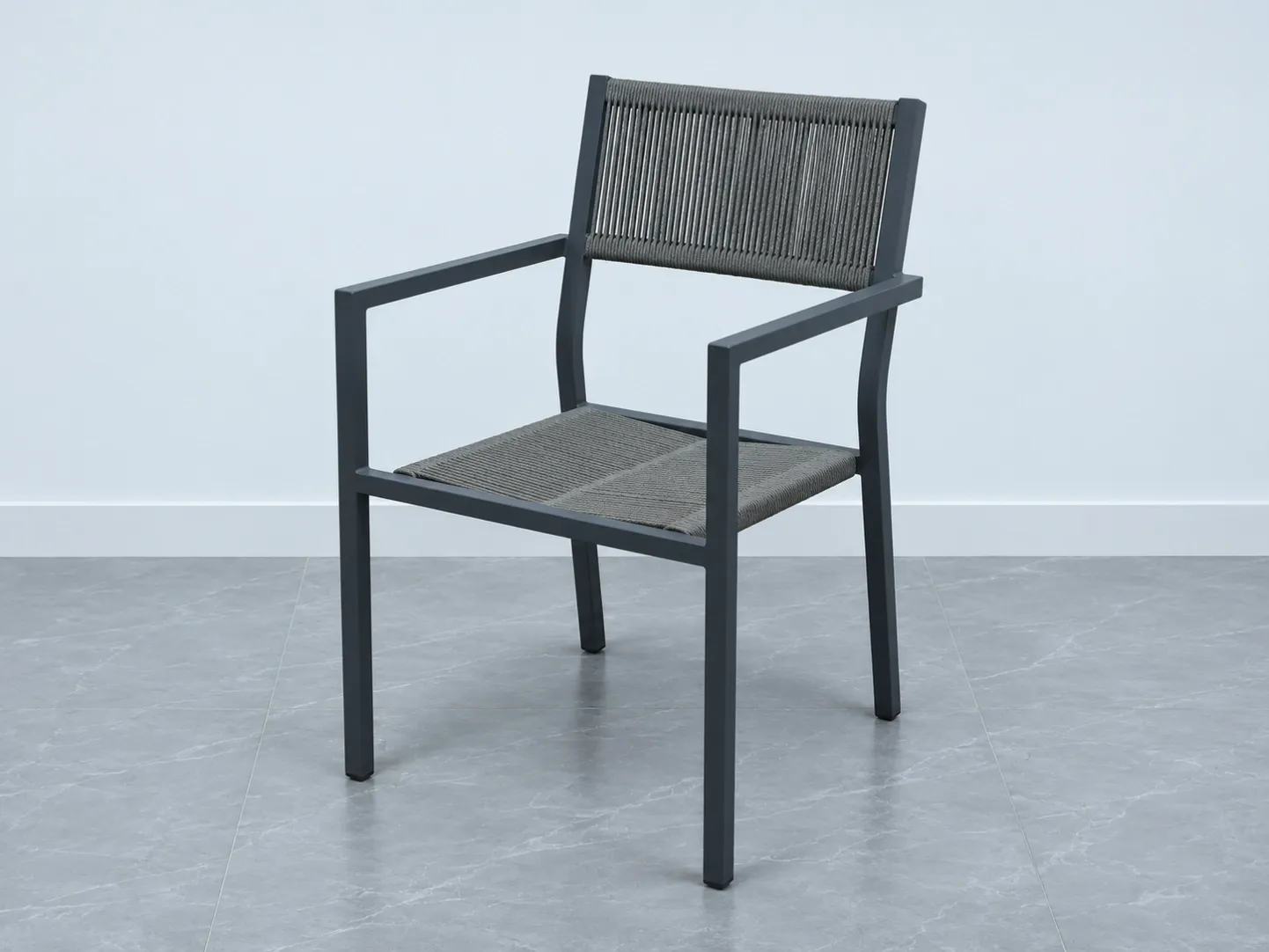
Cover image: AI-generated from a DM product photograph to illustrate a chair. It is not a measured sample or dimensional approval record.
Fix the identity first
Enter the exact model code, sample label, document revision and components present. A chair overall height measured without a proposed cushion answers a different question from occupied seat height. A table top measured alone does not establish the assembled base footprint. If identity is uncertain, stop the measurement decision until the supplier confirms the sample.
Make dimensions reproducible
For each value, state the datum points, orientation, instrument, operator and date. Keep a photograph that shows the whole item and a second that shows the measurement points. The D50007 product page (https://www.dmfurnitures.com/products/aluminum-outdoor-dining-chair-d50007) provides a current published overall-size reference; it does not publish measurement tolerance, so do not invent one. Check chair/table fit using the existing clearance guide (https://www.dmfurnitures.com/blog/outdoor-dining-chair-arm-height-table-clearance).
Close differences before release
Field — Record
Identity — Exact model, variant, sample label and document revision
Measurement — Named dimension, start/end points, observed value and photo
Difference — Source value, observed value and supplier explanation
Decision — Accept revised record, request remeasure, or hold; named approver
Separate a source mismatch from a site-fit problem
A measured sample may match the supplier's current drawing yet still fail the hotel's doorway, table or circulation requirement. Record those as two different decisions. The first asks whether the sample and supplier specification agree; the second asks whether the confirmed item works in the intended project. Do not alter a supplier dimension to make a layout work, and do not call a site-fit failure a production defect without evidence.
If a value differs from the source, photograph the exact start and end points and request a second measurement using the same datum. Then ask whether the quoted model or drawing revision changed. Keep the original reading and the explanation together; an overwritten spreadsheet cell erases the useful audit trail. If the supplier proposes a revised specification, the authorized buyer should approve the new document before the purchasing record is updated.
Send a decision-ready measurement packet
The RFQ or approval follow-up should identify the model, variant, document revision, measurement name, observed value, instrument, date, operator and two relevant photos. State the question plainly: confirm the source figure, explain the difference, or provide a current drawing. Avoid a bare photo with no model label, a dimension without datum points, or a tolerance taken from another product. Procurement can then attach the supplier response to the purchase-order line instead of relying on an informal message thread.
The sample-approval guide (https://www.dmfurnitures.com/blog/outdoor-furniture-sample-approval-before-production) owns the wider release decision. For a current model-specific specification, contact DM Furniture (https://www.dmfurnitures.com/contact-us) with the model and the measurement record.
FAQ
Is a catalogue dimension a manufacturing tolerance? No. A tolerance requires its own confirmed source.
Should loose cushions be included in a chair-height measurement? State precisely what was fitted and measured; record separate configurations when relevant.
Can a photo replace the written dimension record? No. The photo should support named points, values and document revision.
Who approves a discrepancy? The authorized buyer after the supplier explains and documents the difference.