Resort Outdoor Furniture Deliveries: Sequence by Zone
Align zone codes, receiving windows, carton references and site handover owners before requesting a delivery plan.
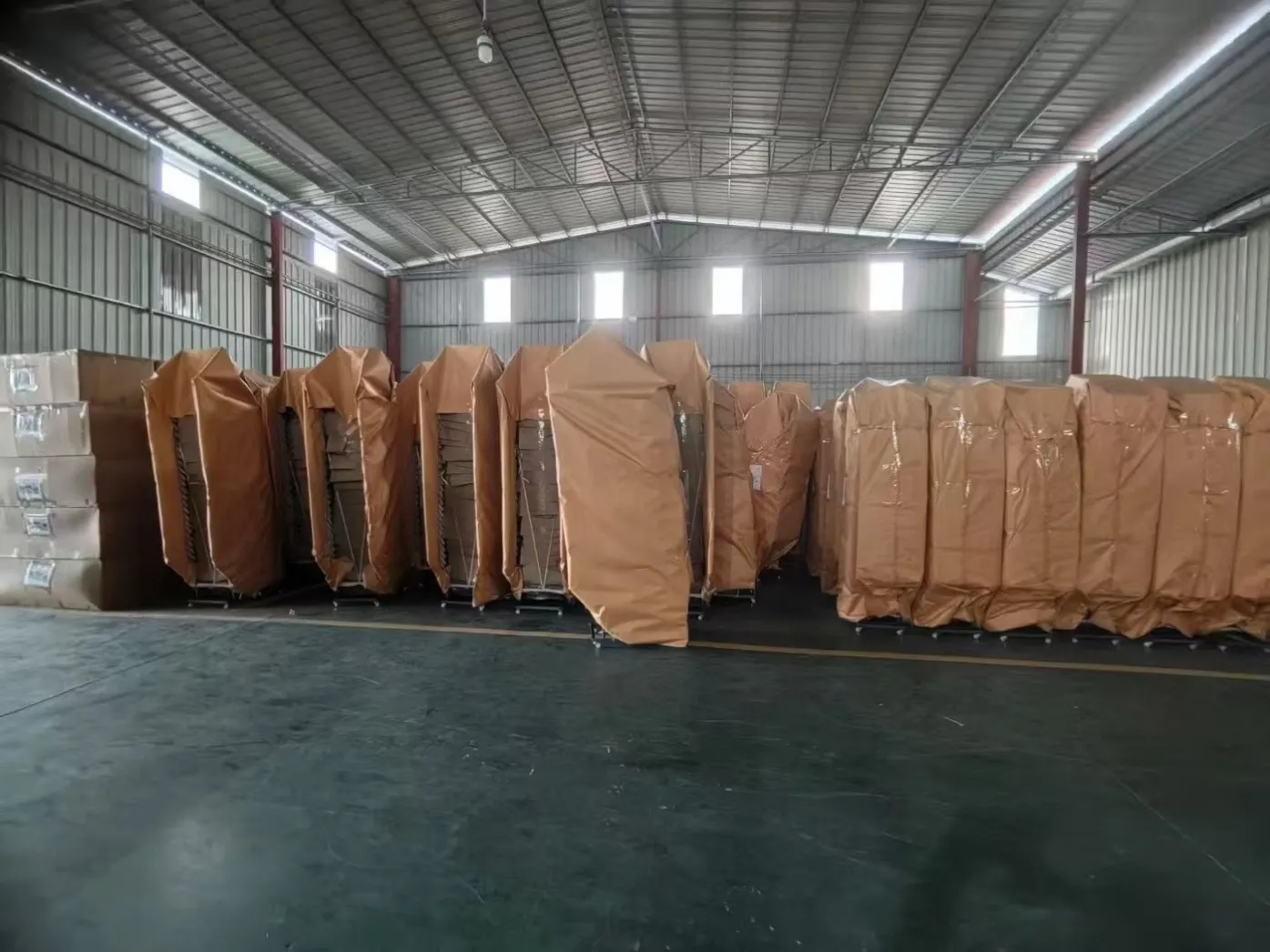
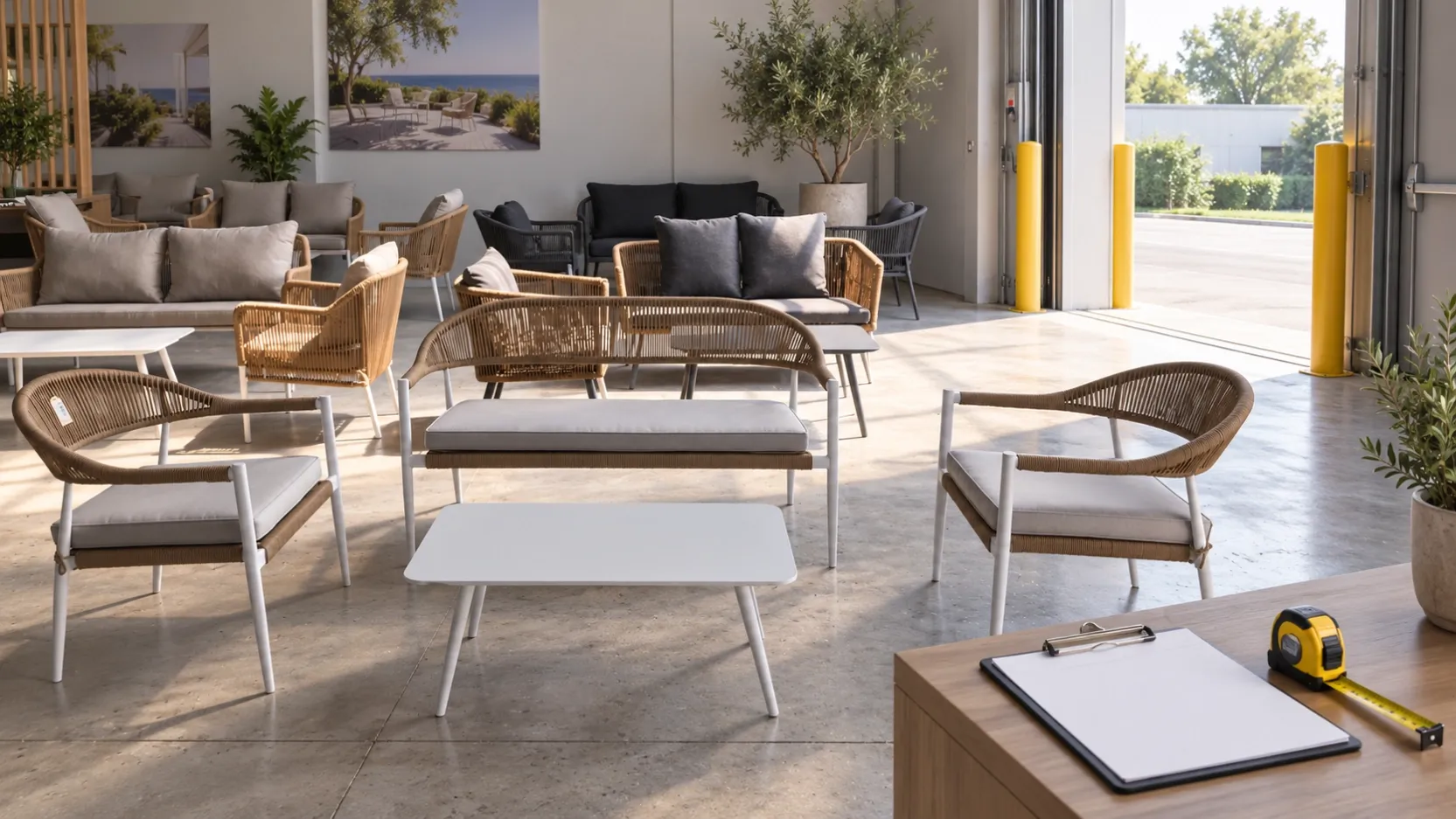
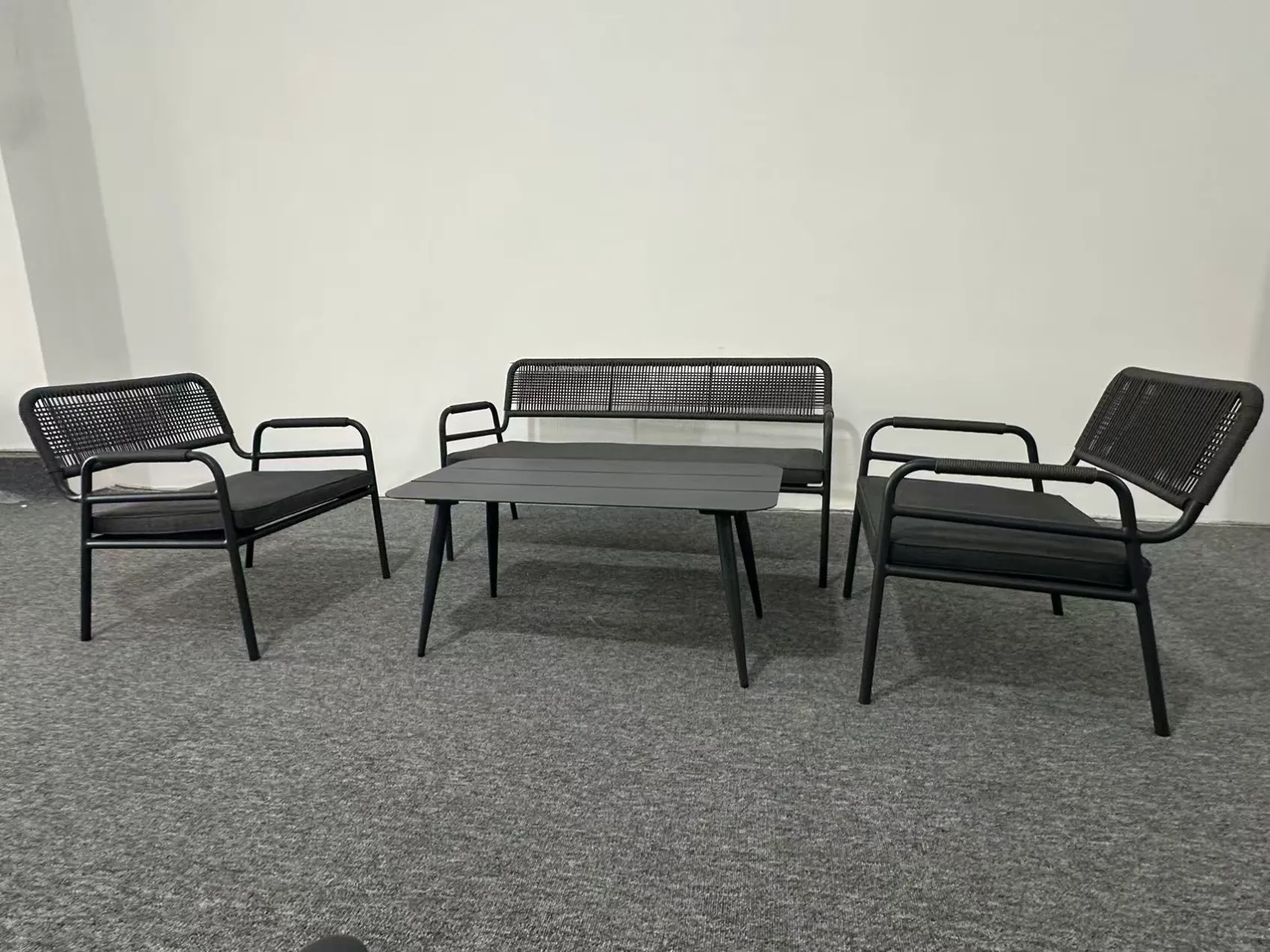
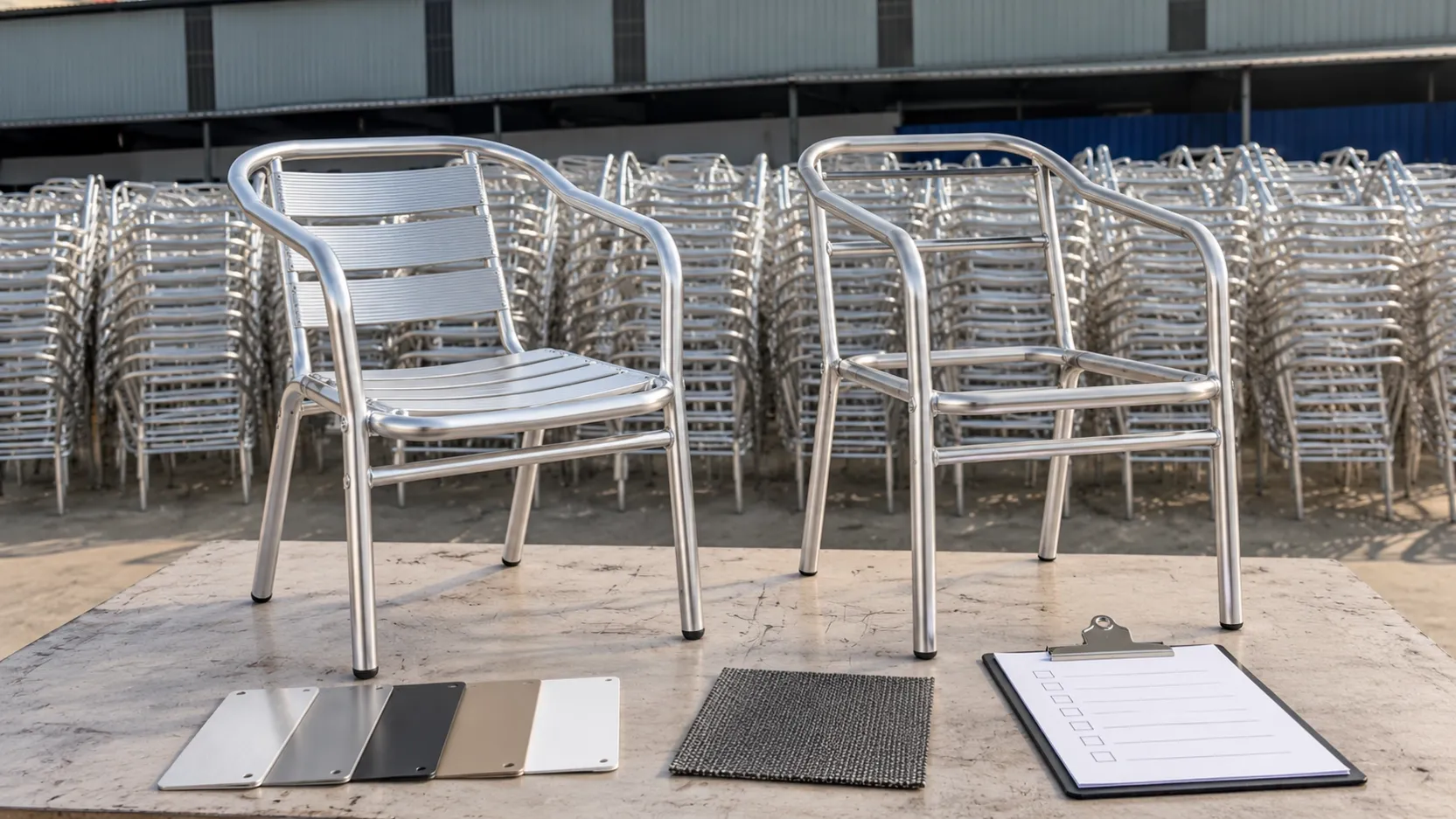
Plan the delivery sequence from the resort's opening and installation order, not from a single furniture total. Assign each terrace, restaurant, pool area and guest-room balcony a zone code, a receiving window and the exact models needed there. Then match every purchase-order line to that zone, its carton identifiers and the person who will accept and store it. Confirm access restrictions and installation dependencies before agreeing on a shipment or delivery plan. Ask the supplier which grouping and labels it can support; a proposed phase schedule is a buyer requirement, not a promise that separate deliveries are available.
Resorts rarely hand over every outdoor space on the same day. A pool deck may need a different receiving route from a restaurant terrace, while a balcony release can depend on room access. A single undifferentiated furniture list hides these dependencies. The sequence below is a buyer-side control that can be attached to a request for quotation; it does not replace the contractor's site programme or the supplier's confirmed shipping terms.
Start with the area release, not the carton count
Use the approved site plan to identify each installation zone and its intended use. Record the date when the area can safely receive furniture, the access route, the unloading point and the temporary holding location. Separate the date a zone is available from the date furniture is needed for opening; those are different decisions. Where the schedule is uncertain, label the date as provisional and name the person who can release it.
For the product selection itself, use the existing Hotel & Resort Outdoor Furniture page and the hotel terrace zoning guide. This article owns the next question: in which order should the confirmed zone items be received and checked?
Build a phase register that survives handoffs
One row per zone and product line is easier to reconcile than one row per container. Use the following fields as a working template; replace the example labels with the project's real codes. Do not put unverified product dimensions, quantities or delivery dates into a supplier-facing schedule.
| Field | Buyer records | Confirm with |
|---|---|---|
| Zone and phase | Plan reference, area name, intended release order | Project manager / site team |
| Exact product line | Approved model, finish, cushion or accessory reference, quantity | Purchasing / supplier |
| Receiving window | Earliest access, target acceptance date, any restricted hours | Site logistics lead |
| Route and holding area | Vehicle approach, lift or doorway limits, protected storage point | Site logistics lead |
| Document match | PO line, carton mark, packing-list line and phase label | Supplier / receiving team |
| Handover owner | Who counts, records damage and releases items to installers | Operations / installer |
Check dependencies before asking for a delivery date
A sequence is useful only if the site can act on it. Confirm whether walkways, lifts and unloading areas can accommodate the chosen furniture and packaging. The delivery-access checklist owns that physical route review; this page focuses on the phase order. Ask the site team when each zone is protected from ongoing construction, when installers can enter, and whether cartons can be stored securely if they arrive before installation.
Keep dining sets, lounge groups and loose accessories traceable to their intended area. If one model is repeated across multiple zones, do not let the shared model code erase the zone allocation. Likewise, do not assume the supplier can pack by zone or make multiple shipments: request a written feasibility and cost confirmation first.
Carry the same phase code into receiving
Before dispatch, compare the proposed phase register with the purchase order and the supplier's planned carton identifiers. The buyer's receiving team should know which cartons are expected for the next open area and which should remain in storage. At arrival, count and identify cartons before moving them to a zone; document any mismatch or visible damage against the exact line and carton reference.
The packing-list review guide covers document reconciliation. The arrival discrepancy guide covers a difference found at receipt. Neither replaces a signed acceptance process set by the buyer and its logistics partners.
Buyer checklist before releasing the order
- Give every installation area a stable zone code and a named receiving owner.
- Map exact model, finish and quantity to each zone rather than only to the whole resort.
- Mark each access and installation date as confirmed or provisional.
- Ask whether zone-grouped labels, packing information or separate deliveries are feasible; record the answer in the quotation.
- Reconcile PO lines, carton marks and packing-list lines before dispatch.
- Agree on where mismatched or damaged cartons will be held and reported.
Common questions
Should every resort zone be a separate shipment?
Not necessarily. Zone coding is useful even when everything travels together. Separate shipments are a commercial and logistics option to confirm with the supplier and forwarder, not an assumed service.
What if the site dates are still changing?
Keep the zone order but mark dates provisional. Identify the decision owner and the latest point at which a change can be accepted under the agreed terms.
Can the same model be used in several zones?
Yes, but allocate the approved model and quantity by zone in the buyer register. A common SKU without a zone reference does not tell the receiving team where each unit belongs.
What must be checked before requesting a phased quotation?
Provide the zone list, exact product lines, destination, requested receiving windows, access constraints and the proposed carton/phase labels. Ask the supplier to confirm what it can actually provide, including any cost or schedule effect.
Send a zone-based RFQ
Share your area plan, exact model references, estimated quantities, destination and proposed sequence. Ask for a written review of feasible packing and delivery options rather than assuming a phased service.
Contact DM FurnitureFurther reading
These independent hospitality logistics references informed the buyer problem; their timelines, policies and services are not DM Furniture claims: Zigaflow's fit-out workflow, Solomon & Sons on staged deliveries, and TNT Commercial's hospitality FF&E guide.