Outdoor Furniture Sample Approval Before Production
Approve an outdoor furniture sample before production by recording its exact revision, product facts, materials, assembly, packaging and open deviations.
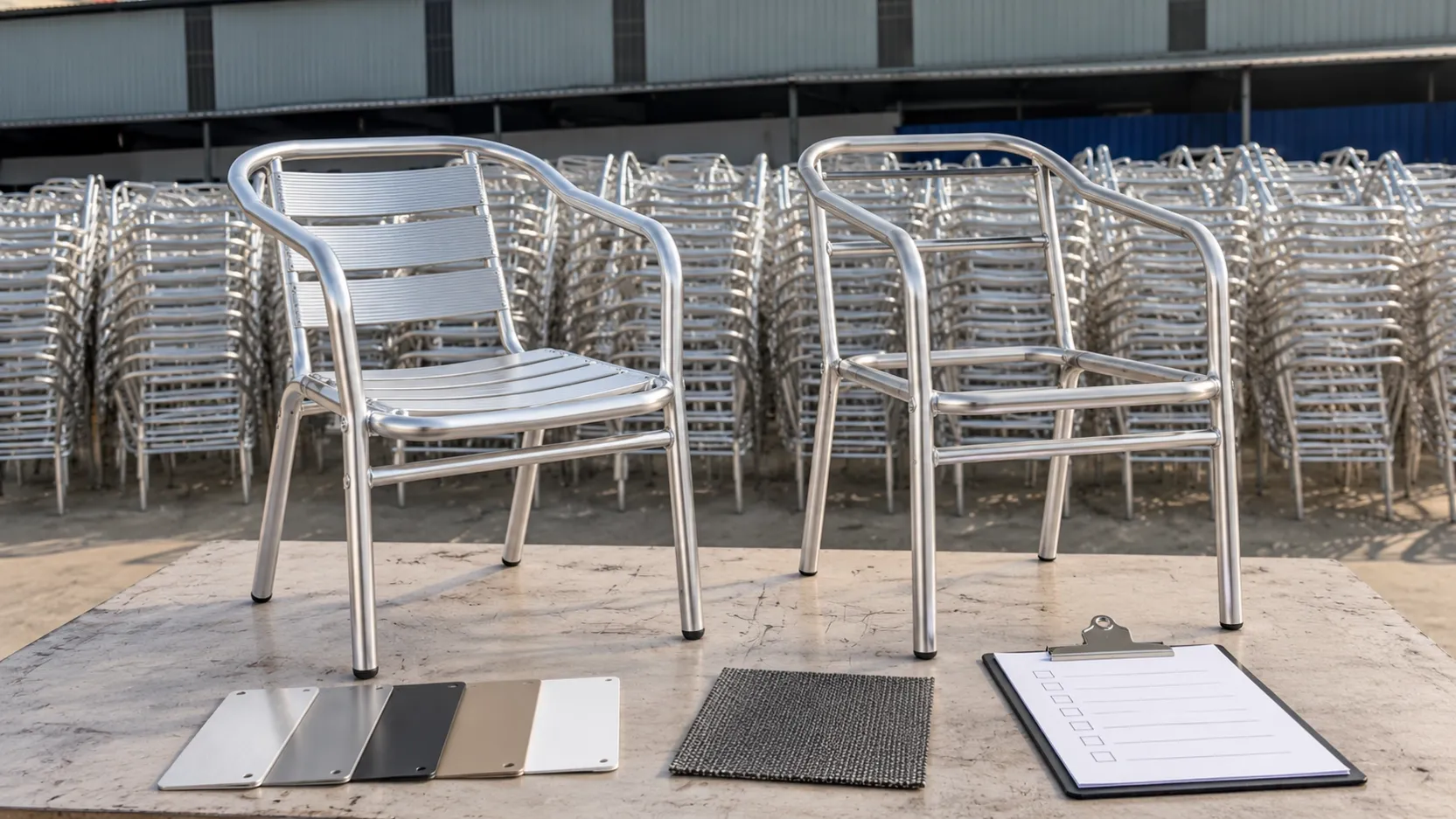
A sample approval should identify the exact sample version, what was checked, which references control production, what remains open and who authorized the release. “Sample approved” is too vague when material, finish, dimensions, hardware, instructions or packing can still differ.
Define what kind of sample is being reviewed
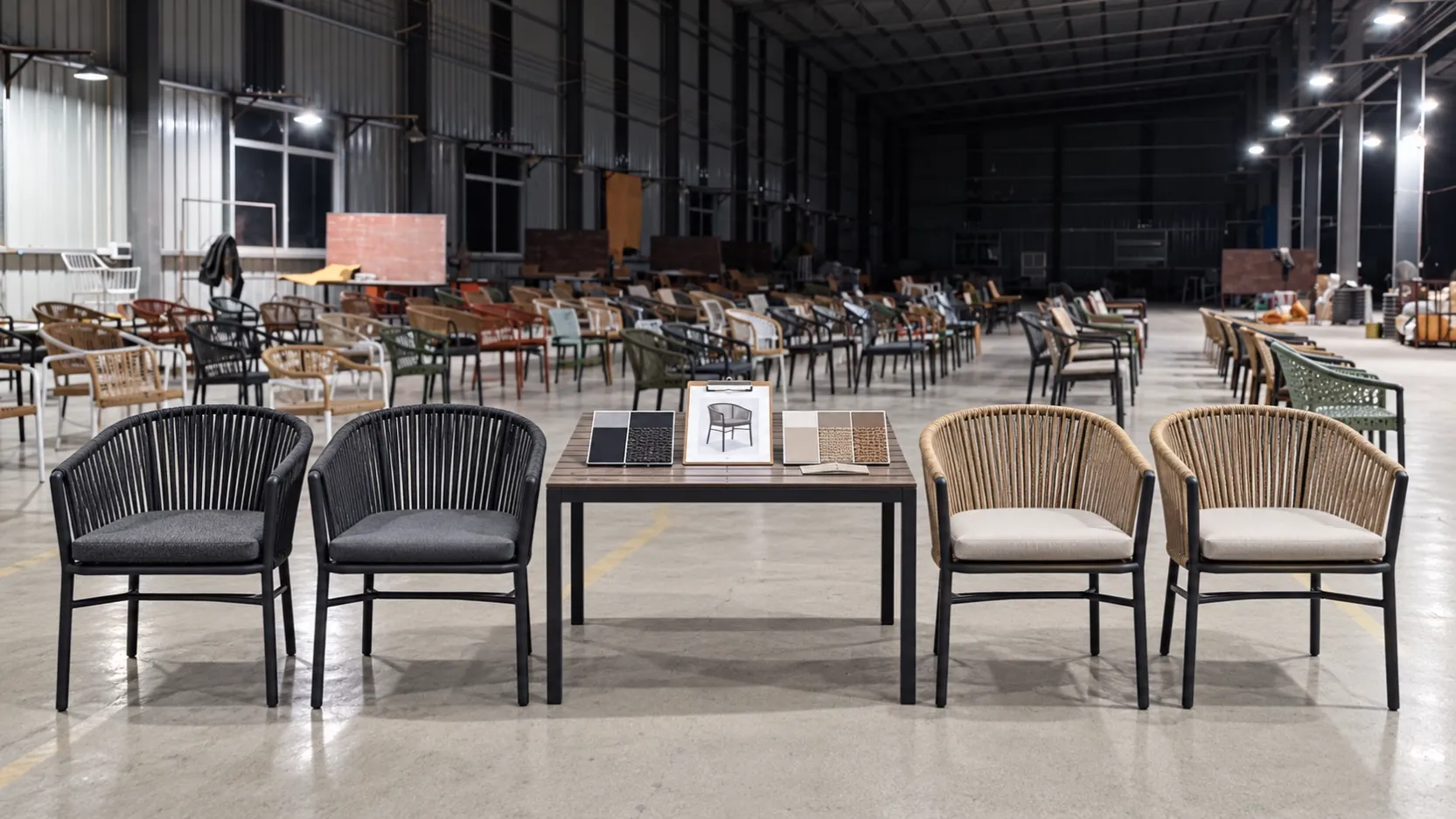
State whether the item is a visual concept, material sample, finish sample, function sample, packing sample or final pre-production reference. Different sample types answer different questions. A visual sample may not confirm production materials, packaging or documents.
Name the exact model, configuration, date and revision. Photograph the full item and identifying details before the review begins.
Assemble one controlled approval pack
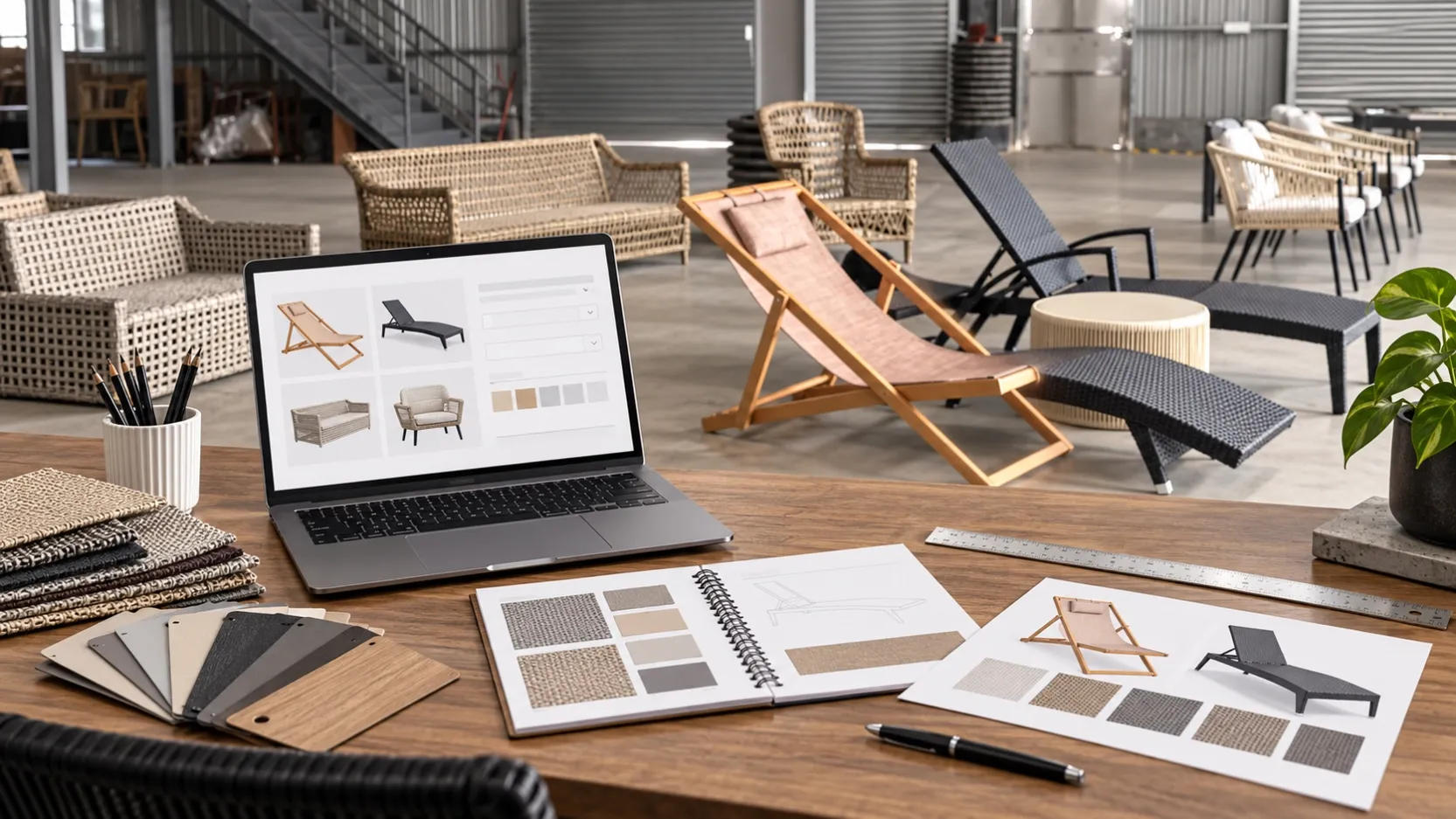
Include the latest drawing or specification, material and finish references, component list, relevant dimensions, approved option selections, instruction draft, packaging requirement and any prior review comments. Mark the source and status of each field.
If the sample intentionally differs from the intended order, list every difference before asking for approval. Do not expect the buyer to discover undocumented substitutions during review.
Record the decision by review area
| Review area | Evidence | Decision |
|---|---|---|
| Identity and configuration | Model, component set, drawing and revision | Approved, revise or pending |
| Dimensions and ergonomics | Agreed measurement record and intended use | Accepted values or open differences |
| Frame and materials | Named materials and visible construction reference | Confirmed scope or evidence required |
| Finish and textiles | Controlled swatches, codes and comparison conditions | Approved reference and limitations |
| Assembly and function | Hardware, instructions and observed operation | Required correction and owner |
| Packing and marks | Pack sequence, protection and approved artwork | Approved revision or separate trial required |
Review measurable and visual facts separately
Measure the agreed dimensions and record the method where it matters. Then assess visual attributes against the approved references under suitable conditions. A photograph can document the review but may not reproduce color, gloss or texture accurately.
Use the finish approval record guide when color, gloss, texture and substrate require their own controlled decision.
Check assembly, use and document alignment
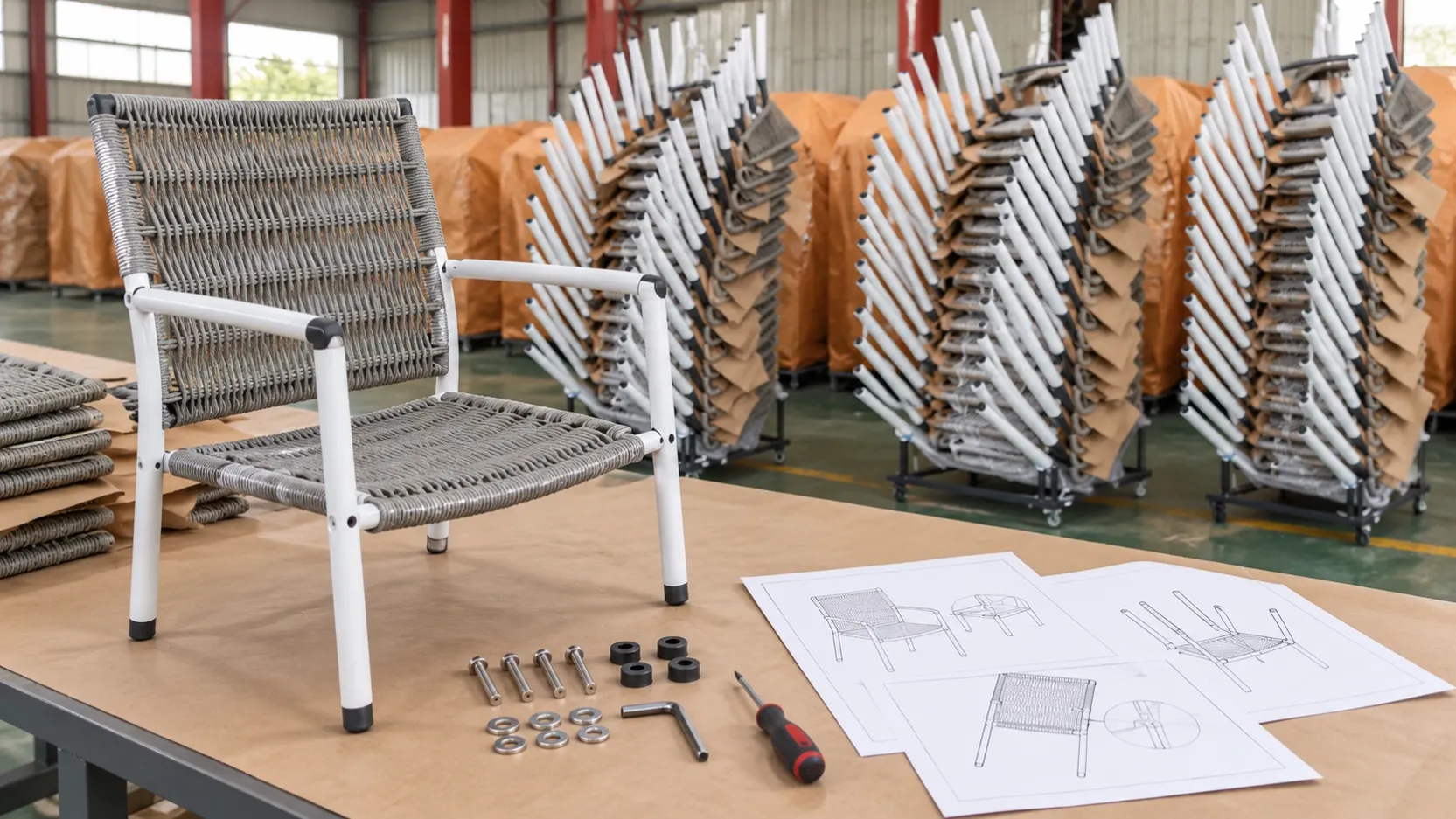
Where assembly applies, confirm that the sample components, hardware and instruction revision belong together. Observe the sequence and note unclear steps. Check the functions relevant to the selected model without inventing a test or load claim.
The separate purchase order guide helps carry the approved identity and option fields into the order.
Do not hide open deviations inside approval language
List every difference between the sample and intended production. Assign an owner, required evidence, due point and status. Use conditional approval only when the condition is precise and traceable. If a difference affects another record, update that record after the decision.
Keep rejected and superseded sample records so the team can identify which version must not be used.
Freeze the release package
The final package should contain the signed or otherwise authorized approval record, photographs, controlled specification, approved material and finish references, open-item closure evidence and document revisions. State which physical sample or retained reference is being stored and how it is identified.
Record the approval date, responsible parties and affected order or product range. Store a superseded version separately and mark it clearly, because an old sample can otherwise re-enter a quotation, reorder or inspection workflow without anyone noticing the revision difference.
Before inspection, transfer the relevant references into the pre-shipment brief rather than asking an inspector to infer them from the sample history.
Common questions
Does one approved sample confirm every future order?
No. The approval belongs to an identified version and scope. Reorders should review current product information and any documented changes.
Can a finish swatch approve the whole product?
No. It controls the defined finish reference only. Dimensions, construction, assembly, packing and other materials need their own evidence.
Should packaging be included in sample approval?
Include it when the sample is intended to approve packaging. Otherwise list packaging as a separate pending trial or controlled document.
What if a sample is approved with comments?
Convert each comment into a clear condition, owner and closure record. Avoid a general approval that leaves the production version ambiguous.
Send a precise sample-review request
Provide the model, configuration, destination, intended sample purpose, controlled reference files and questions that the sample must answer. DM Furniture can clarify available product information and identify fields that still require confirmation.
Discuss a product sample review
Use the RFQ preparation guide to organize the initial request.
Further reading
The UNIDO furniture documentation manual illustrates how agreed product descriptions, drawings and records can connect customer requirements with production information. It is a general documentation reference, not a DM Furniture sample policy.