Outdoor Furniture Hardware Packs: A Pre-Shipment Checklist
Verify outdoor furniture hardware pack contents before shipment by matching fastener identity, quantity, carton, instruction step, tools and photo evidence.
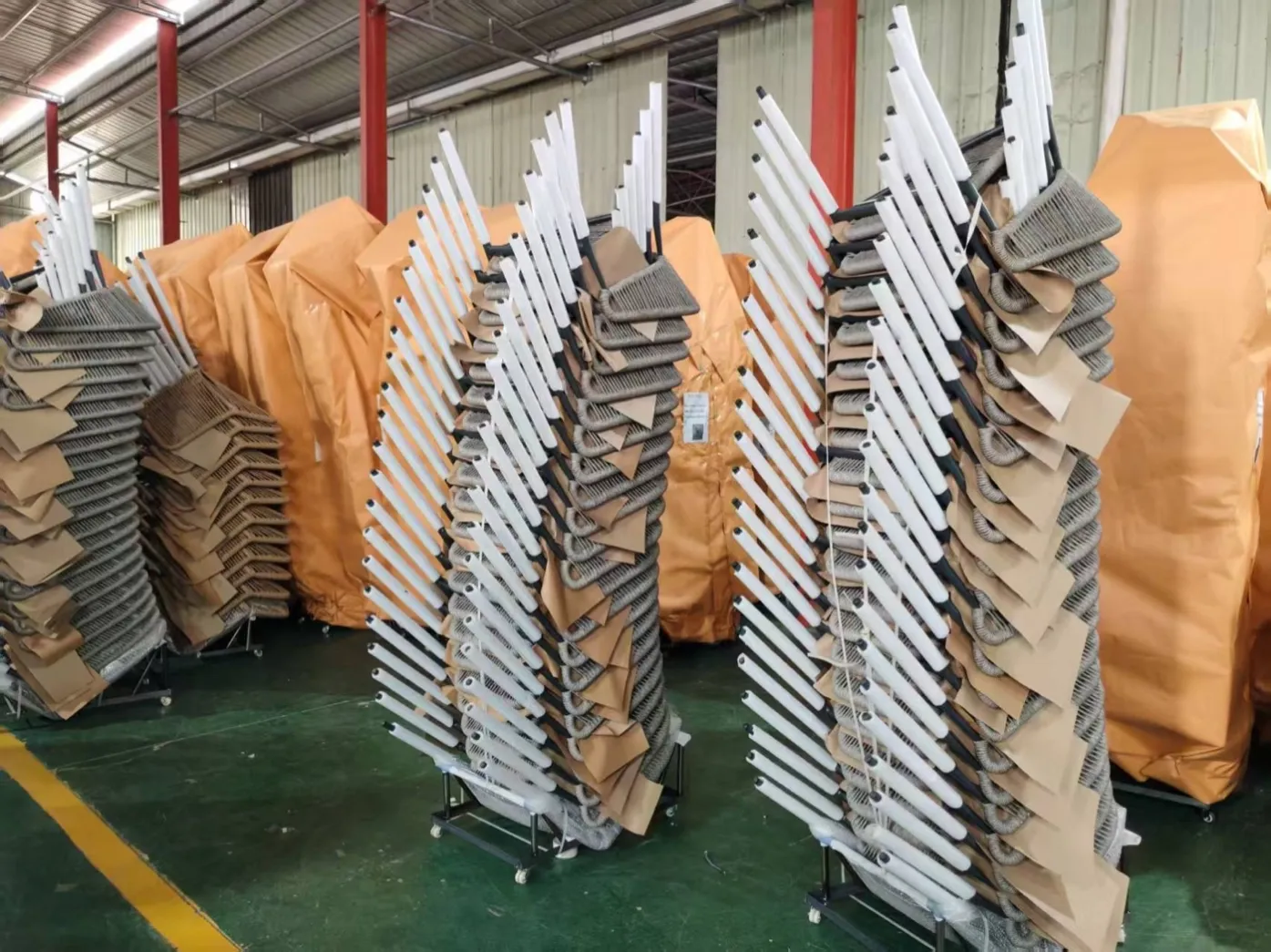
Verify a furniture hardware pack by matching every fastener, washer, nut, spacer, cap, connector and supplied tool to the exact model's approved instruction and carton plan. Record the part code, description, quantity per unit, spare policy if confirmed, bag label, carton location and photo evidence. A sealed bag or a total weight does not prove that the correct mix is inside. Keep packs segregated by model and revision, and stop the shipment decision when the instruction, pack list and physical contents disagree.
Begin with the exact assembly instruction
The approved instruction should identify the parts used at each step. Create the hardware list from that controlled document rather than from a visually similar product or an old order. If one bolt length, washer or connector appears in the pack but not in the instruction, treat it as a question instead of assuming it is spare.
Public assembly manuals often separate bolts by diameter, length and step. This confirms why a generic “hardware included” line is not enough, but the quantities in another brand's manual do not apply to DM products.
Give every hardware group a clear identity
Use a code that connects the drawing, bill of materials, bag label and inspection record. Record fastener type, nominal size, finish or material description when confirmed, head form and required companion pieces. Keep similar-looking groups separated.
Do not approve substitutes by appearance. Thread, length, head clearance and contact with other materials may affect fit and use, so any change requires documented review.
Reconcile quantity at three levels
Check quantity per furniture unit, quantity per sales set and quantity per carton. Then multiply against the packed order. Record separately any supplier-confirmed spare quantity. This prevents a correct per-unit pack from being placed in the wrong number of cartons.
Connect the result to the packing-list review and carton-mark record without turning the hardware pack into a second shipment total.
Build a hardware-pack verification record
| Field | Required record | Verification question |
|---|---|---|
| Product identity | Model, finish and instruction revision | Does the pack belong to this exact item? |
| Part identity | Code, description and visible distinguishing detail | Can similar fasteners be separated reliably? |
| Quantity | Per unit, per set, per pack and per carton | Do all multiplication levels reconcile? |
| Bag label | Model, pack code and revision | Can receiving staff match it without opening? |
| Carton location | Carton number and secured position | Will the pack be found before assembly? |
| Evidence | Open-pack photo, sealed-pack photo and sign-off | Does evidence show identity as well as presence? |
Check tools, caps and small components
Allen keys, wrenches, caps, glides, spacers and connectors are easy to omit because they may not look structural. Keep them on the same controlled list and identify whether each is installed at the factory, packed loose or supplied separately.
One independent outdoor furniture kit example lists fasteners and illustrated instructions together. Use that as demand evidence for documentation alignment, not as a DM packing promise.
Control the pack inside the carton
Record which carton receives the hardware and how the bag is secured so it can be found without damaging the product. If one order uses multiple cartons, the packing record should prevent all packs from being placed in a carton that may arrive separately. Keep loose metal away from finished surfaces according to the approved packing method.
Photograph the labelled pack in its intended carton location before closure. Avoid including customer information in reusable training images.
Run an assembly cross-check
For a sample or pre-shipment review, use one exact pack with the approved instructions and product components. Track each code as it is used and record leftovers without assuming they are acceptable. If the instruction requires a part that cannot be found, stop and clarify before approving repeated packing.
The published purchase order line-item guide explains how exact model and included-component references should remain controlled in the commercial record. The hardware record adds physical pack evidence without duplicating that owner.
Common questions
Is weighing a hardware pack enough?
No. Weight may support a check, but it cannot reliably distinguish wrong sizes, mixed parts or missing light components.
Should spare fasteners be included?
Only record a spare policy when it is confirmed for the exact model and order. Keep spares separate from required assembly quantity.
Can similar bolts share one bag?
Only when the approved instruction and labelling make them reliably distinguishable. Separate packaging is safer when visual confusion is likely.
What happens when the pack and instruction disagree?
Stop approval, record the difference and obtain a controlled correction. Do not rewrite the instruction or substitute parts informally.
Send hardware requirements with the RFQ
State whether the product is assembled, knock-down or partly assembled; request exact instructions, hardware list, bag labelling and carton location. Connect the requirement to the relevant product category and the packing approval guide.
Further reading
LeisureMade's public assembly manual and Aosom's table assembly guide show how part identity, quantity and step references can be documented.