Oct 8, 2026Buying Guides
How to Approve Outdoor Furniture Packing Before Bulk Packing
Approve outdoor furniture packing before bulk packing with a controlled unit map, protection review, photo record, revision status and release decision.
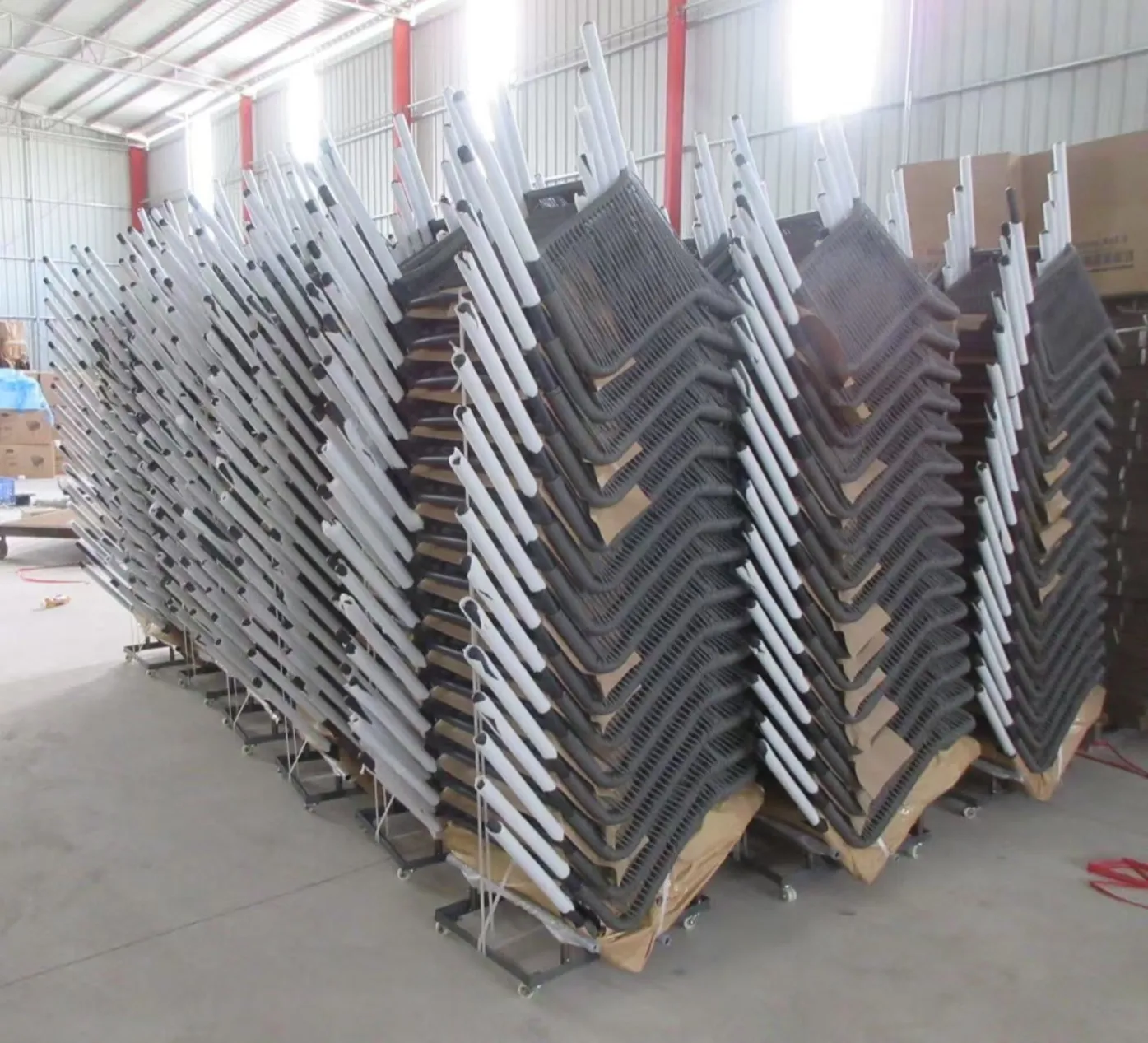
Approve one clearly identified packing sample for each model or packing family before the warehouse repeats the method across the order. The record should map every sellable component to its package, show how vulnerable surfaces and loose parts are protected, identify labels and instructions, capture open- and closed-carton photographs, and state the approved revision. Treat the decision as model-specific: a pack that works for one chair, table or sofa module is not automatic evidence for another. Bulk execution still needs a later check against the approved record.
Owned DM Furniture factory photograph used as packing context. It does not prove an approved packing method for every product or order.
Start with the sellable unit, not the carton
Before discussing foam, cartons or wrapping, list what the customer expects to receive under one model code. A set may include several seats, a table, cushions, fittings and instructions. A knock-down item may place one sellable unit across more than one package. The approval record should make that relationship visible.
Use the same model and variant names that appear in the latest purchase record. If a colour, cushion or hardware option changes the package, give that variant its own line. This prevents a convenient warehouse description from replacing the buyer's item identity.
Review vulnerable points in the actual packing sequence
Ask the packer to show the sequence from the bare product to the closed package. Look for contact between frames, pressure on rope or wicker, exposed tabletop edges, loose hardware, cushion compression, moving components and surfaces that could rub during handling. The buyer does not need to prescribe an unverified material or test. The record should show what is being protected and how the result will be checked.
Photographs should include wide views and useful details. A close image of corner protection is not enough if the reviewer cannot identify the model, package number or location on the product.
Use one approval table for every model
Control field | Question to answer | Evidence to retain
Unit map | Which product components and quantities make one sellable unit? | Model-specific component and package map
Protection points | Which surfaces, edges, fittings or textiles need separation or support? | Open-pack sequence with labelled detail photos
Loose parts | Where are hardware, tools, instructions and removable parts placed? | Contents view tied to the package number
Outer package | How is each package identified and closed? | Closed-package views and approved mark reference
Package data | Which final dimensions, weights and counts must be verified later? | Recorded values marked estimated or verified
Decision status | Is the pack approved, conditionally approved, rejected or awaiting evidence? | Named reviewer, date, revision and open actions
Separate approval from bulk execution
A good first pack can still be repeated incorrectly. The approval record establishes the method; it does not confirm every package in the order. During bulk packing, compare selected open cartons with the approved sequence and reconcile the final package count with the item schedule.
Keep the physical marks connected to the carton-mark approval record. Marks identify the package, while the packing approval explains what should be inside and how it should be protected.
Record conditions instead of hiding open points
Conditional approval is useful when it is precise. State the exact missing photograph, corrected instruction, additional separator or label change required before bulk packing. Name the evidence and owner needed to close the condition.
Avoid phrases such as “packing looks fine” or “same as sample.” They cannot guide a later check. If the approved sample pack is changed because the product, route, warehouse handling or buyer requirement changes, issue a new revision rather than editing old photographs without a record.
Connect the pack to receiving and issue evidence
The receiving team should know how many packages form one unit, which package contains hardware and where product identity is shown. This makes it easier to count cartons, stage installation and record a difference without opening unrelated packages.
If a discrepancy is found after arrival, use the delivery discrepancy record to connect the delivered carton, model, condition and photographs. Do not assume whether a problem occurred in production, packing, transport or receiving until the evidence is reviewed.
Common questions
Q: Does every model need a separate packing approval?
A: Use a separate approval when the structure, components, contact points, package count or labels differ. Closely related items may share a method only when the buyer records why the same evidence applies.
Q: Should package dimensions be approved at the sample stage?
A: Record them, but label estimated and verified values clearly. Final shipment documents should use the confirmed packed data for the actual order.
Q: Can a supplier's standard pack be accepted?
A: It can be reviewed as a proposal. Approval should still identify the exact model, route or channel needs and any buyer-specific marks, instructions or handling requirements.
Q: Are packing photos enough for shipment release?
A: No. They support one part of the decision. Product conformity, quantity, documentation and the buyer's agreed release process remain separate checks.
Prepare a model-specific packing discussion
Send the model list, quantities, destination, sales unit, known handling constraints, label references and any channel-specific documentation requirements. DM Furniture can clarify current product information and identify packing points that still require order-level confirmation.
Discuss packing requirements with your RFQ
Use the purchase order line-item guide to keep model and variant identity consistent before the pack is reviewed.
Further reading
FedEx furniture-packing guidance provides general protection and handling considerations. It is not a model-specific approval method and does not replace the buyer's order, carrier, insurer or destination requirements.
Related links
carton-mark approval record — https://www.dmfurnitures.com/blog/outdoor-furniture-carton-mark-checklist
delivery discrepancy record — https://www.dmfurnitures.com/blog/outdoor-furniture-delivery-discrepancy-record
purchase order line-item guide — https://www.dmfurnitures.com/blog/outdoor-furniture-purchase-order-line-items