Oct 8, 2026Buying Guides
How to Review an Outdoor Furniture Packing List Before Shipment
Review an outdoor furniture packing list before shipment by reconciling model codes, package contents, counts, weights, dimensions, marks and totals.
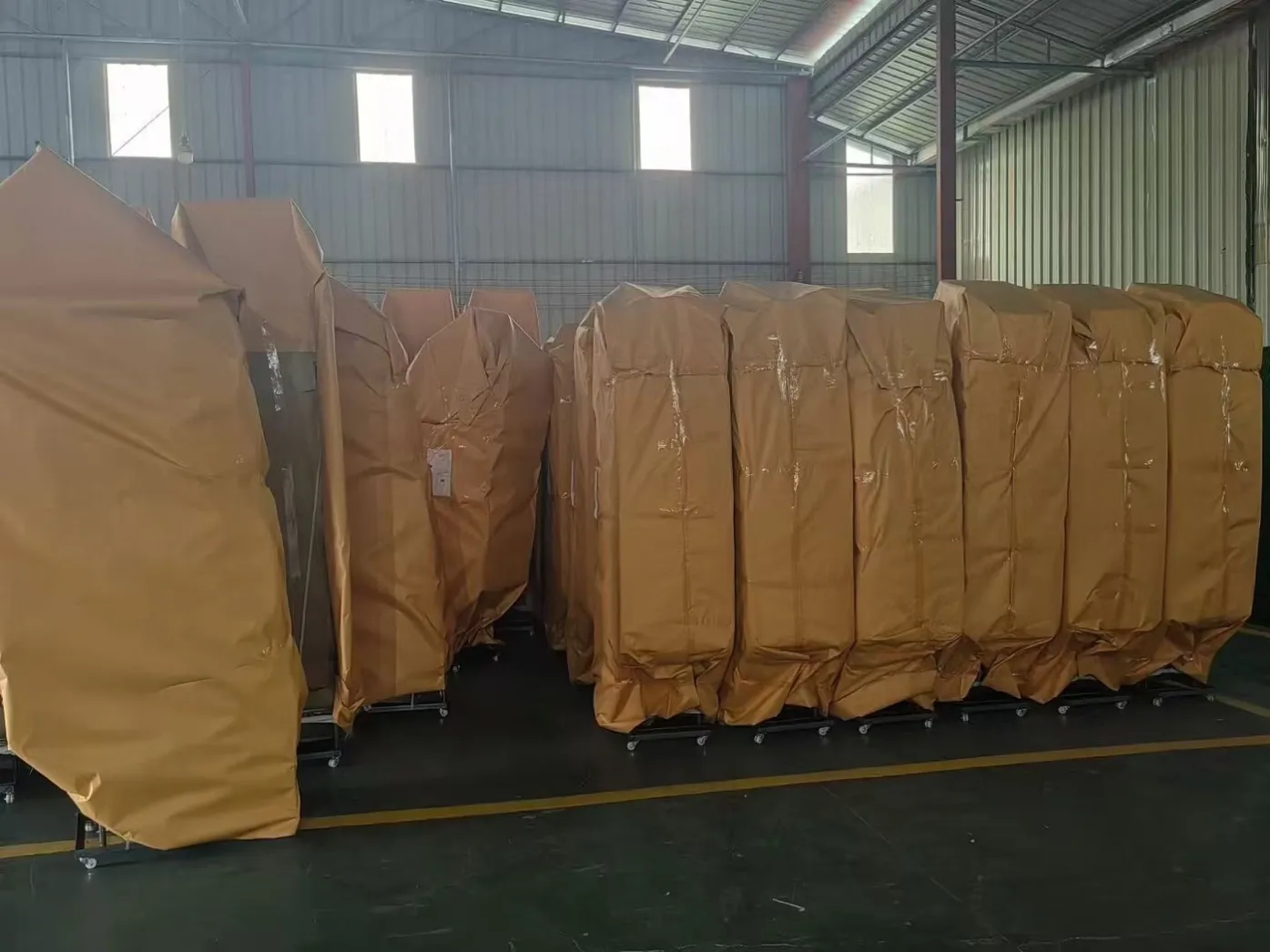
Review the packing list as a map of the physical shipment, not as a formality. Confirm that its order reference and item codes match the approved purchase record, every carton or crate has an identifiable number and contents, quantities reconcile from item level to shipment totals, and the recorded package dimensions and weights are the final verified values. Cross-check physical carton marks, hardware or component packages and the commercial invoice before release. Destination, bank, customs-broker and forwarder requirements can differ, so the responsible trade professionals should confirm the final document set.
Owned DM Furniture warehouse photograph used as shipment context. It does not represent a completed packing list or a specific customer order.
Give the document one clear shipment identity
The header should let a reviewer connect the list to the correct order without opening an email chain. Use the seller and buyer names required for the transaction, packing-list number and date, purchase-order or project reference, invoice reference where applicable, destination and the agreed shipment reference.
Do not repair an item-code mismatch by using a broad product description. A chair code, colour variant or set composition that changed after quotation should be corrected across the controlled order and shipment documents.
Map every physical package to its contents
List carton or crate numbers, package type, item code, description, quantity inside and the relationship between split components. If a table top and base travel separately, the receiving team should be able to see that they belong together. Hardware packed inside another carton should be located, not left as an invisible assumption.
Descriptions should be specific enough for identification but should not turn the packing list into an unsupported specification sheet. Materials, dimensions or compliance wording belong only when they are confirmed and needed for the document's purpose.
Run five reconciliations before dispatch
Comparison | Review question | Useful result
Order to item rows | Do model codes, variants and ordered quantities match? | Item-level variance list
Item rows to packages | Can every piece or component be traced to a package? | Complete package-content map
Packages to physical marks | Do package numbers, model codes and quantities agree? | Mark and list photo check
Rows to totals | Do package count, quantities, net/gross weight and volume total correctly? | Reconciled shipment summary
Packing list to other documents | Are shared descriptions, quantities, marks and references consistent? | Document-difference log for correction
Distinguish product dimensions from packed dimensions
A product size helps evaluate use and fit; a packed size describes the outer package used for handling and freight planning. Label the unit of measure and use the verified package dimensions for the actual shipment. Do not copy carton data from a related model or an early quotation after the packing method has changed.
Net and gross weight also have different jobs. The list should define values consistently and use the final package configuration. Ask the forwarder or customs broker what detail and unit format the destination process requires.
Check marks against the approved artwork
Compare the visible physical marks with the packing list and the latest approved mark file. Product code, package sequence, destination reference and handling symbols should not contradict the document. The separate carton-mark guide explains how to control artwork and physical application.
Photographs should show enough of the carton to identify the package and read the relevant mark. A cropped label image without carton context can hide duplicates or missing package numbers.
Keep an issue log rather than silently editing totals
When a count, weight, dimension or item mapping changes, record the source and reviewer. A difference may be a simple document error, a revised pack, a short quantity or an incorrect physical mark. Each requires a different correction.
Freeze the reviewed version used for shipment release. If the booking, loading or final package count changes later, issue a revision and show which earlier file it replaces.
Common questions
Q: Is a packing list the same as a commercial invoice?
A: No. The packing list describes the physical packages and contents; the commercial invoice states the commercial transaction. Shared item and quantity information should be consistent, but the documents serve different purposes.
Q: Does every carton need its own line?
A: That depends on the shipment and required format. The document should still let customs, the forwarder and the receiver identify package contents without ambiguity. Confirm the final format with responsible trade professionals.
Q: Should carton marks appear in the packing list?
A: Record the marks or mark references needed to connect the document with the physical packages. The exact requirement depends on the transaction and destination.
Q: Who should approve the final packing list?
A: Name the seller-side preparer and checker plus the buyer, broker or forwarder reviewer required by the agreed workflow. A generic “approved” status without version or owner is weak evidence.
Prepare clean shipment references from the RFQ onward
Send exact model codes, variants, quantities, destination and any known package-identification needs when requesting a quotation. DM Furniture can clarify current product information and identify which packing fields still require confirmation for the selected order.
Share your product list and destination
For item identity and revision control, use the purchase order line-item guide. For a receiving difference, use the delivery discrepancy record.
Further reading
The U.S. International Trade Administration explains the common contents and role of an export packing list. It also notes that destination and transaction requirements vary; this article is a buyer review framework, not customs or legal advice.
Related links
purchase order line-item guide — https://www.dmfurnitures.com/blog/outdoor-furniture-purchase-order-line-items
delivery discrepancy record — https://www.dmfurnitures.com/blog/outdoor-furniture-delivery-discrepancy-record