Outdoor Furniture Commercial Invoices: A Buyer Cross-Check Before Shipment
Cross-check outdoor furniture commercial invoice lines against the approved order and packing list before shipment. Use a model-by-model exception log and confirm destination rules with your broker.
A commercial invoice should describe the goods actually shipping, not merely repeat an early quotation. For outdoor furniture, review the draft invoice line by line against the latest approved purchase order and the packing list. Match model codes, set or component units, descriptions, quantities, values, currency, origin information and the agreed trade terms. Record any mismatch with an owner and corrected-document version before release. This is a procurement cross-check, not a customs classification or valuation ruling: the importer and its broker must confirm the destination-specific invoice fields, tariff codes and supporting documents.
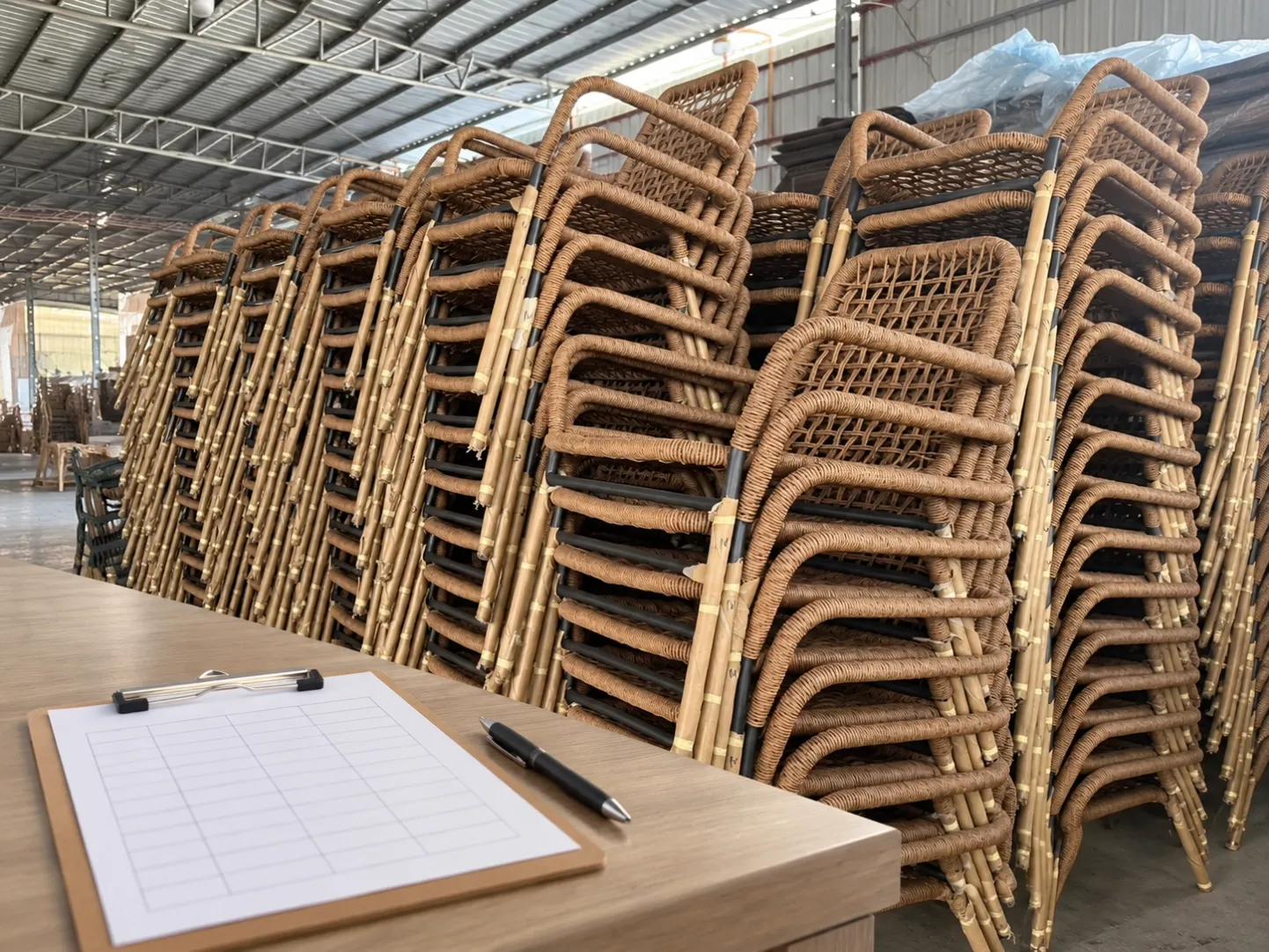
Cover visual: concept based on a DM Furniture warehouse photograph. The blank sheet is illustrative, not an actual invoice or shipment record.
Keep the three documents in their own roles
The purchase order defines what the buyer agreed to buy. The packing list describes how the goods are physically packed. The commercial invoice records the goods and transaction information used for the shipment and import process. A line may be grouped differently across documents, but its identity and quantity should still be traceable. The purchase-order line-item guide and packing-list review cover those other two records in depth.
Start with the latest approved revisions, not an email attachment from the first quotation round. If the order changed after sample approval, make sure the invoice reflects the approved change rather than an obsolete model or finish name. Keep a short revision register showing which document version each team used.
Cross-check the invoice by model, not just by total
| Check | Compare with | Question to resolve |
|---|---|---|
| Model and description | Approved order and current product record | Does each line identify the actual chair, table, sofa set or component without a generic “furniture” label? |
| Sale unit and set composition | PO line and set schedule | Is one “set” defined consistently, or have separate pieces been counted as complete sets? |
| Shipped quantity | Packing list and any agreed partial-shipment notice | Can every invoiced unit be reconciled to the physical shipment? |
| Unit value, totals and currency | Final approved commercial terms | Do line extensions and the overall total reflect the agreed transaction, including approved changes? |
| Origin and shipping terms | Supplier confirmation and agreed order terms | Is the origin information supported, and are the trade term and named place the current agreed version? |
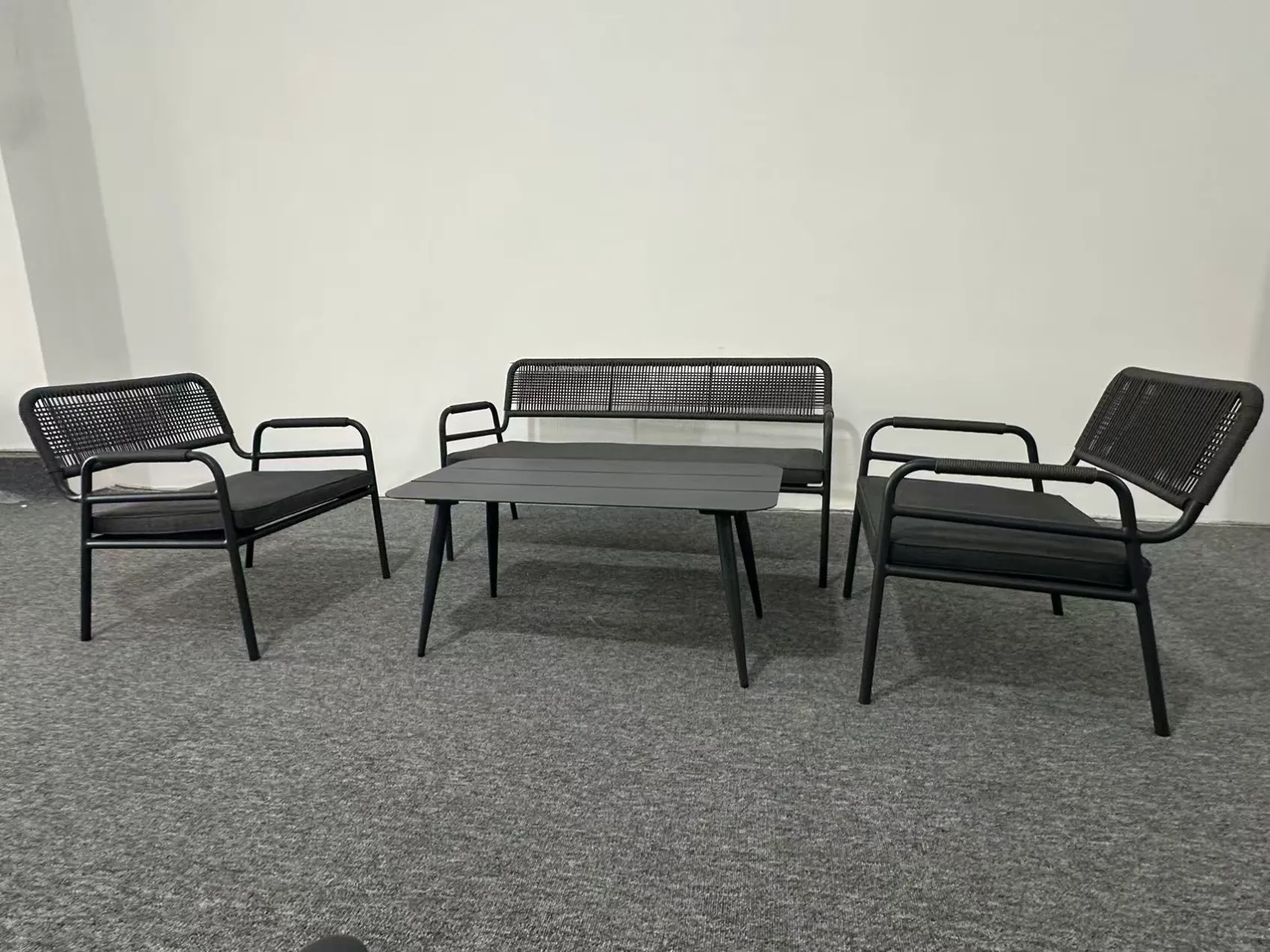
The table is a buyer-side reconciliation aid. It is not a complete template for every destination. For example, the public D50036 dining-chair page and D60016-6 modular-sofa page identify different product configurations. An invoice should use the exact model and unit that the approved order actually covers; these public examples are not evidence of any particular shipment or price.
Resolve exceptions before the document leaves the supplier
Use one exception log with four columns: affected invoice line, conflicting source, proposed correction and approval owner. Ask for a revised invoice when a model code, unit, quantity, value or named place changes. Keep the superseded version marked as such so the broker, warehouse and buyer do not work from different drafts.
A partial shipment needs special care. Compare the invoice to what is shipping now, then document the balance separately against the order. Do not quietly invoice an unshipped component or assume that a carton count equals a furniture-unit count. The delivery discrepancy record becomes relevant after receipt, not as a substitute for this pre-shipment check.
Ask the broker about market-specific fields
The required invoice format and supporting documents vary by destination, product and transport arrangement. The U.S. International Trade Administration advises checking country-specific requirements before completing an invoice, while U.S. Customs and Border Protection describes information it expects for U.S. entry. Do not copy a tariff code or origin declaration from another supplier's document. Have the importer or broker validate the final classification, value, origin and document set for the actual shipment.
Questions buyers ask
Can the pro forma invoice be used without a final check?
No. It is an earlier commercial reference. Check the final shipment invoice against the latest order and actual shipment, and ask the broker which document is required for clearance.
Must the invoice and packing list have identical row layouts?
Not necessarily. One may show a complete set while the other identifies its cartons or components. Keep a clear model-and-unit mapping so the quantities reconcile without guessing.
Who should confirm the HS code and country-of-origin wording?
The importer and its qualified broker should verify destination classification and origin requirements using the actual product and supply facts. A similar furniture model is not a reliable shortcut.
What if the invoice names a different model from the purchase order?
Pause the document handoff, confirm the intended product with the supplier and buyer, then issue a corrected, versioned invoice if needed. Do not silently rename the line in only one file.
Start with a clear product shortlist
When requesting a quotation, send the model references, intended units and destination. We can clarify the current product descriptions and open quotation questions; your broker should confirm the destination's invoice and customs requirements.
Discuss your outdoor furniture shortlistFor unresolved commercial questions, keep one supplier clarification log rather than spreading changes across emails.