Oct 8, 2026Buying Guides
How to Build an Outdoor Furniture Defect Classification List
Build an outdoor furniture defect classification list with product-specific requirements, observable examples, severity logic, evidence rules and approval ownership.
Build the defect classification list from the approved product and order requirements before inspection begins. For each model, describe observable nonconformities, where they can occur, how they affect safety, function, order identity or appearance, what evidence the inspector should capture, and which severity category the buyer has approved. Keep legal or safety decisions with qualified parties and avoid universal examples copied from unrelated products. The list should help different reviewers classify the same finding consistently; it should not replace the specification, sampling plan, test method or shipment-release decision.
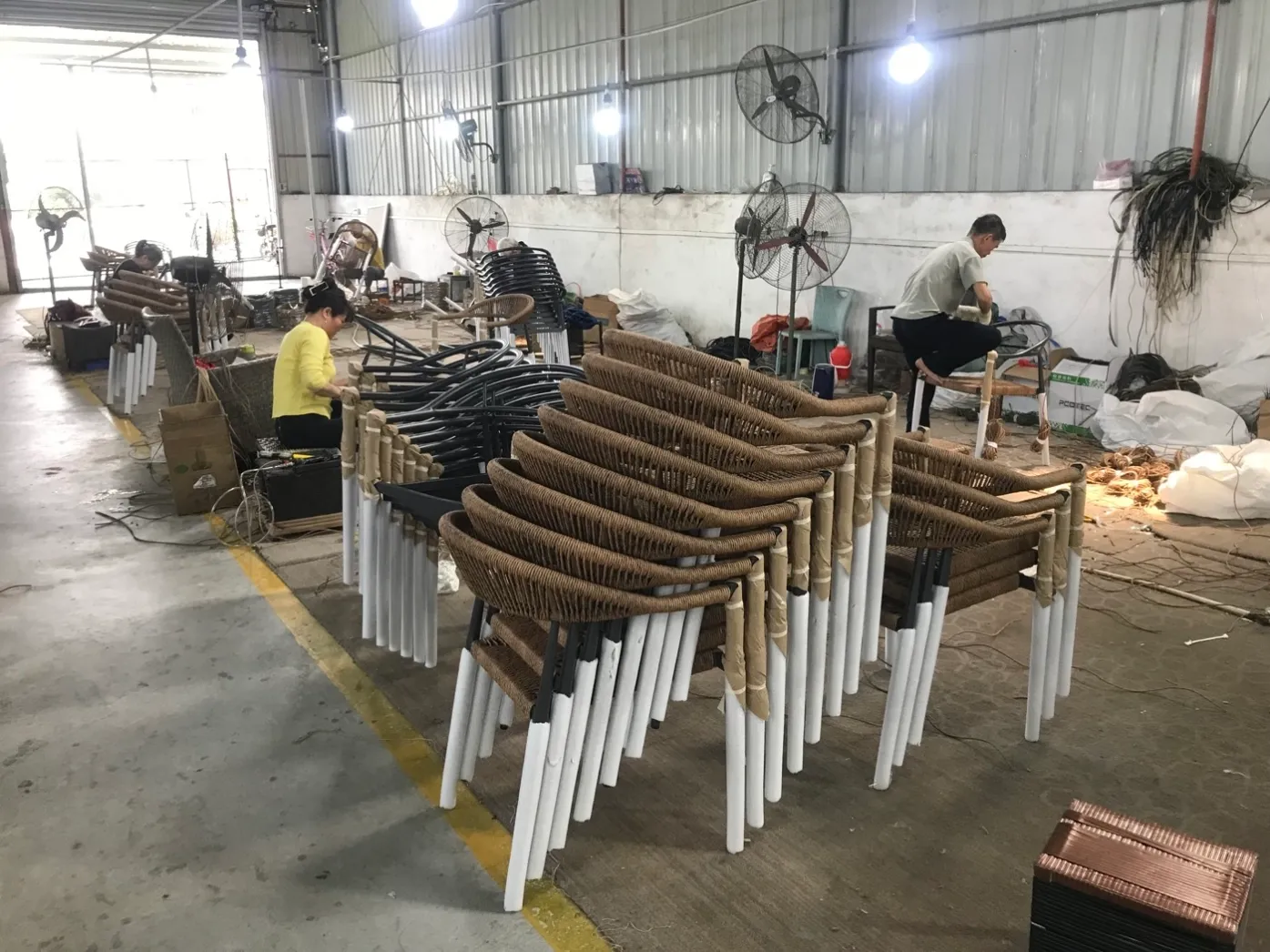
Owned DM Furniture production photograph used as quality-review context. It does not show a confirmed defect or a specific inspection result.
Start with requirements that already control the order
Collect the latest purchase order, model schedule, approved drawing or specification, material and finish references, sample record, packing requirements and any destination-specific requirements supplied by qualified parties. The defect list translates those references into observable inspection language.
If a required tolerance, test method or acceptance limit is missing, record the gap. Do not invent a number merely because the list needs a complete row. An open requirement should be resolved by the authorized buyer, engineer, laboratory or compliance adviser before it becomes an inspection rule.
Organize the list by product area and failure effect
Use sections that match the product: identity, frame and joints, surface finish, rope or wicker, textile and cushions, tabletop, hardware and assembly, function, labels and packing. A generic furniture list often becomes too broad to guide a dining chair, sofa module and table in the same way.
For every entry, state the condition and its location. “Scratch” is too vague. The reviewer needs to know whether the mark is on a prominent exposed surface, an assembly contact point, a concealed area or packaging rather than the product itself.
Agree severity logic before adding examples
Field | What to record | Why it matters
Requirement | Exact specification, sample or approved reference | Prevents inspection by personal preference
Observed condition | Plain description of what differs and where | Makes the finding repeatable
Potential effect | Safety, function, identity, assembly, appearance or packing consequence | Supports the severity decision
Buyer-approved class | Critical, major, minor or another agreed category | Connects the finding to the sampling and decision rules
Evidence | Wide view, close view, count, scale or measurement | Lets another reviewer verify the record
Decision owner | Person authorized to clarify or approve an exception | Stops the inspector from making commercial concessions
Use examples without turning them into universal rules
A safety-related sharp point, unstable structure or missing required component may demand a different response from a small appearance mark, but the exact classification depends on the product, intended use, contract and applicable requirements. Record examples for the actual model family and have the responsible parties approve them.
Photographs can improve consistency when they show both acceptable and unacceptable conditions. Label the model, surface, lighting context and approval date. A competitor image or a photo from a different material should not become the inspection reference for the order.
Separate defect classification from sampling
The list explains how a finding is described and graded. A sampling plan explains how units are selected and how counted findings contribute to an acceptance decision. Keep both controlled, but do not treat one as a substitute for the other.
When a buyer uses acceptance sampling, the lot definition, inspection level, sample size and acceptance rules should be agreed with a qualified inspection provider. Safety or regulatory findings may require action regardless of a statistical result.
Review the list after samples and production evidence
The first draft may expose ambiguous wording. Use approved sample reviews, early production observations and documented clarifications to improve the descriptions before final inspection. Record the revision history and avoid deleting older rules without showing what changed.
Finish-related examples should remain connected to the finish approval record. Product identity and commercial configuration should remain connected to the purchase order line item.
Keep findings and concessions traceable
An inspector records what was observed under the approved list. The buyer or named authority decides whether a documented difference is accepted, reworked, rechecked or held. A concession should identify the exact model, order, quantity or affected scope and should not silently rewrite the normal standard for future orders.
When the same issue repeats, preserve the original finding, containment, root-cause response and effectiveness evidence instead of merely reclassifying it as less serious.
Common questions
Q: Is a critical, major and minor list universal?
A: No. Those labels are common, but the product-specific definitions, examples and consequences must be agreed for the order, intended use and applicable requirements.
Q: Should acceptable appearance limits be shown with photos?
A: Photos can help when they are controlled, model-relevant and supported by clear text. Lighting, angle and scale should not hide the condition being judged.
Q: Can the inspector change the classification during inspection?
A: The inspector can report an unclear or new condition. The authorized buyer or quality owner should approve any change to the controlled classification list and record the revision.
Q: Does the list decide whether the shipment can be released?
A: It supports the decision. Release should also consider the sampling result, affected scope, open corrective actions, packing readiness and the buyer's agreed approval workflow.
Prepare model references before quality planning
Send the shortlisted models, intended market or project use, quantities and current product references. DM Furniture can clarify source-backed product information and identify facts that still need confirmation before an inspection specification is finalized.
Discuss your product and quality requirements
Use the outdoor furniture RFQ guide to organize the initial requirement file.
Further reading
The Furniture Industry Research Association's Sourcing Furniture Products in the Supply Chain discusses defect classification lists. ISO 2859-1:2026 covers acceptance sampling by attributes; neither source sets the correct rule for a particular DM Furniture order without an agreed project method.
Related links
finish approval record — https://www.dmfurnitures.com/blog/outdoor-furniture-finish-approval-record
purchase order line item — https://www.dmfurnitures.com/blog/outdoor-furniture-purchase-order-line-items
outdoor furniture RFQ guide — https://www.dmfurnitures.com/blog/how-to-prepare-outdoor-furniture-rfq
Sourcing Furniture Products in the Supply Chain — https://www.fira.co.uk/images/bookshop/Sourcing-Furniture-Products-in-the-Supply-Chain-V2.pdf