Oct 8, 2026Buying Guides
How to Write a Supplier Corrective Action Request for Furniture Quality Issues
Write a supplier corrective action request for furniture quality issues with a scoped problem, containment, verified cause, action, evidence and closure rule.
Write the request around a verified nonconformity, not a general complaint. Identify the purchase order, model, affected and suspect scope, controlling requirement, actual condition and evidence. Ask first for containment that protects open stock and shipments, then for evidence-based occurrence and escape causes, permanent actions, owners, completion dates and an effectiveness check. Define the documents required for closure and keep the shipment-release decision separate. A formal 8D-style response may suit a serious or recurring issue, but the format and deadline should match the buyer's quality system, contract and risk.
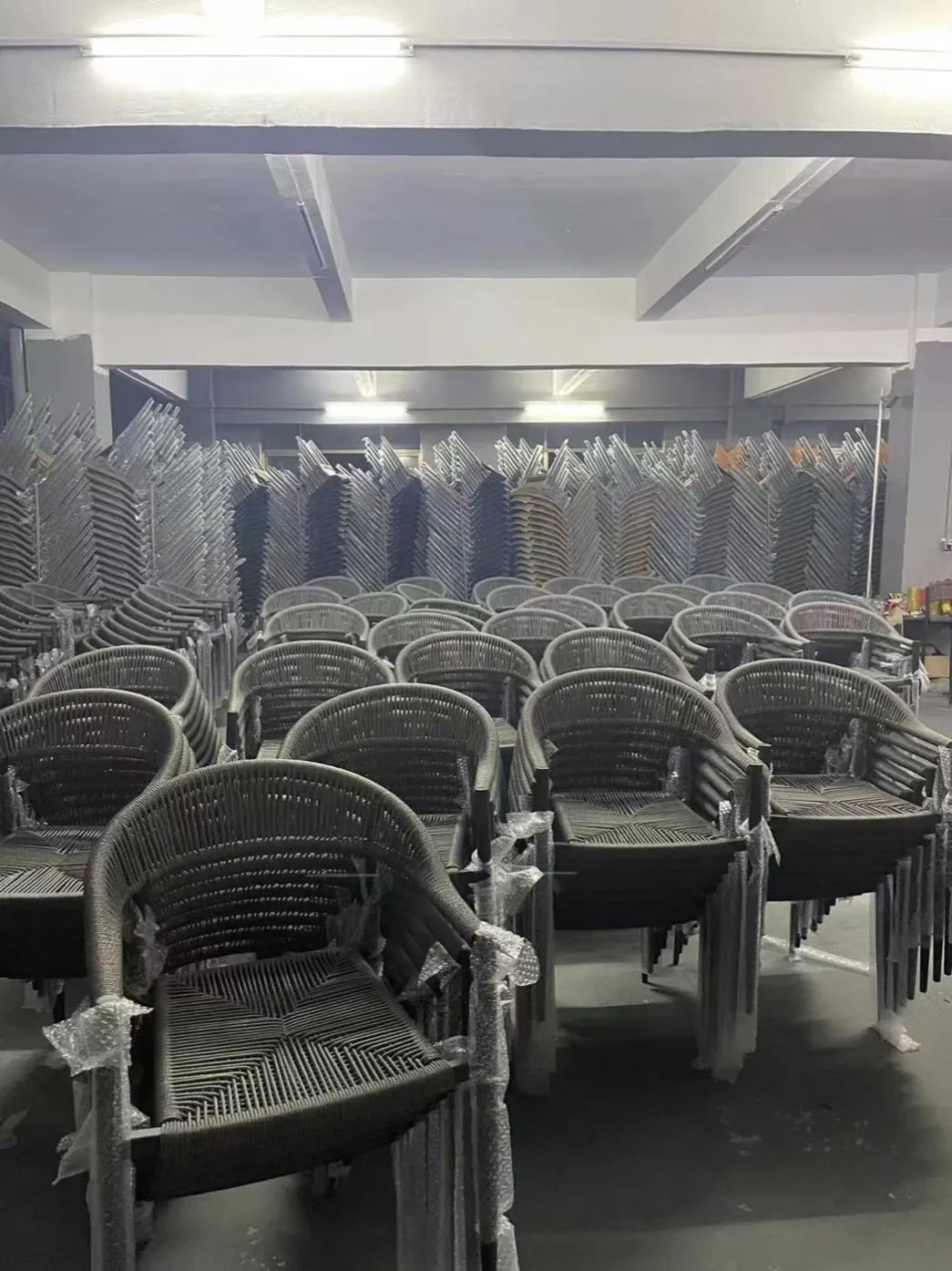
Owned DM Furniture warehouse photograph used as quality-follow-up context. It does not show affected stock or a completed corrective action.
Decide whether formal corrective action is proportionate
A one-time document typo may need a correction, while a repeated defect, unsafe condition, wrong material, widespread order mismatch or failed containment may need a formal corrective-action response. State why the issue has been escalated and which products or processes may be affected.
Do not use the request as a threat or a substitute for the purchase contract. The goal is a traceable investigation and a verified change. Commercial remedies, claims and shipment decisions should follow the applicable agreement and qualified advice.
Describe the problem so another person can verify it
Name the requirement that was not met and the actual observed condition. Include model, variant, purchase order, lot or date reference, location, quantity inspected, quantity affected and how the issue was detected. Attach clear photographs or measurements without exposing unrelated customer information.
Avoid causes in the problem statement. “Operator did not follow instructions” is an unverified conclusion. Describe the condition first, then let the evidence-led investigation establish why it occurred and why existing controls did not detect or prevent it.
Use a complete response structure
Section | Supplier response needed | Buyer review question
Problem and scope | Confirmed affected and suspect models, quantities, lots or shipments | Does the scope match the evidence?
Containment | Immediate controls for stock, work in progress and open shipments | Are customers and later operations protected now?
Occurrence cause | Evidence showing why the issue was created | Is the cause verified rather than assumed?
Escape cause | Why normal checks did not find the issue | Does the response address the control weakness?
Permanent action | Specific process or control change, owner and completion evidence | Does the action remove or control the verified cause?
Effectiveness and closure | Method, timing and evidence used to confirm the result | Is there enough proof to close the case?
Contain before waiting for a perfect root-cause report
Containment is a temporary protection while the investigation continues. Depending on the agreed process, it may include identifying suspect stock, stopping shipment of affected items, separating product, checking a defined scope or correcting documents. The supplier should state the clean point or boundary used to distinguish reviewed product.
Containment should not be presented as the permanent fix. Additional inspection can reduce immediate escape risk while the process cause remains unchanged.
Ask for both occurrence and escape causes
The occurrence cause explains why the nonconformity was created. The escape cause explains why the supplier's normal controls did not detect or prevent it. A credible response connects each conclusion to process records, observations, trials or other evidence.
Reject circular statements such as “human error” or “inspection missed it” when they do not explain the system conditions. The action plan should match the verified cause, not the most convenient idea.
Define closure before reviewing the response
State what evidence is needed: corrected records, photographs, process-change evidence, training or work-instruction revision where relevant, reinspection results, affected-stock reconciliation and a defined effectiveness review. Assign the buyer-side reviewer who can accept or return the response.
Do not close the request merely because every field contains text. The response should show that containment covered the scope, the cause was supported, actions were completed and the verification method can detect recurrence.
Connect the case to the order evidence
Use the original purchase order line item, approved references and inspection evidence so the issue remains tied to the correct product version. If the difference was discovered after receipt, start with the delivery discrepancy record.
Where a finish issue is involved, the finish approval record can provide the comparison basis. Do not assume a visual difference proves the production cause without a proper review.
Common questions
Q: Is every supplier problem a corrective-action case?
A: No. Use the level of control appropriate to severity, recurrence, scope and contract. Some issues need a correction or clarification; serious or systemic issues may need a formal response.
Q: What is the difference between containment and corrective action?
A: Containment protects current stock or shipments. Corrective action addresses a verified cause so the issue is less likely to recur.
Q: Must the supplier use an 8D report?
A: Not always. The buyer may request 8D or another controlled format when appropriate. The required structure should be agreed and should not imply a DM Furniture policy unless confirmed for the order.
Q: Can corrective-action closure release a shipment automatically?
A: No. Shipment release should follow the buyer's separate approval process and consider reinspection, open risks, quantity, packing and commercial conditions.
Keep product and order references clear from the beginning
Send exact models, variants, quantities, destination and approved references when requesting a quotation or order review. DM Furniture can clarify current product information and help identify unresolved facts before they become production or inspection ambiguity.
Discuss your outdoor furniture requirements
Use the RFQ preparation guide to establish the first controlled requirement file.
Further reading
The American Society for Quality's supplier quality overview describes supplier performance management and review of corrective and preventive action responses. It is a general quality reference, not a DM Furniture policy or a contract term.
Related links
purchase order line item — https://www.dmfurnitures.com/blog/outdoor-furniture-purchase-order-line-items
delivery discrepancy record — https://www.dmfurnitures.com/blog/outdoor-furniture-delivery-discrepancy-record
finish approval record — https://www.dmfurnitures.com/blog/outdoor-furniture-finish-approval-record