Outdoor Furniture Pre-Shipment Inspection Brief: What to Include
Prepare an outdoor furniture pre-shipment inspection brief with controlled product references, inspection points, evidence rules and decision ownership.
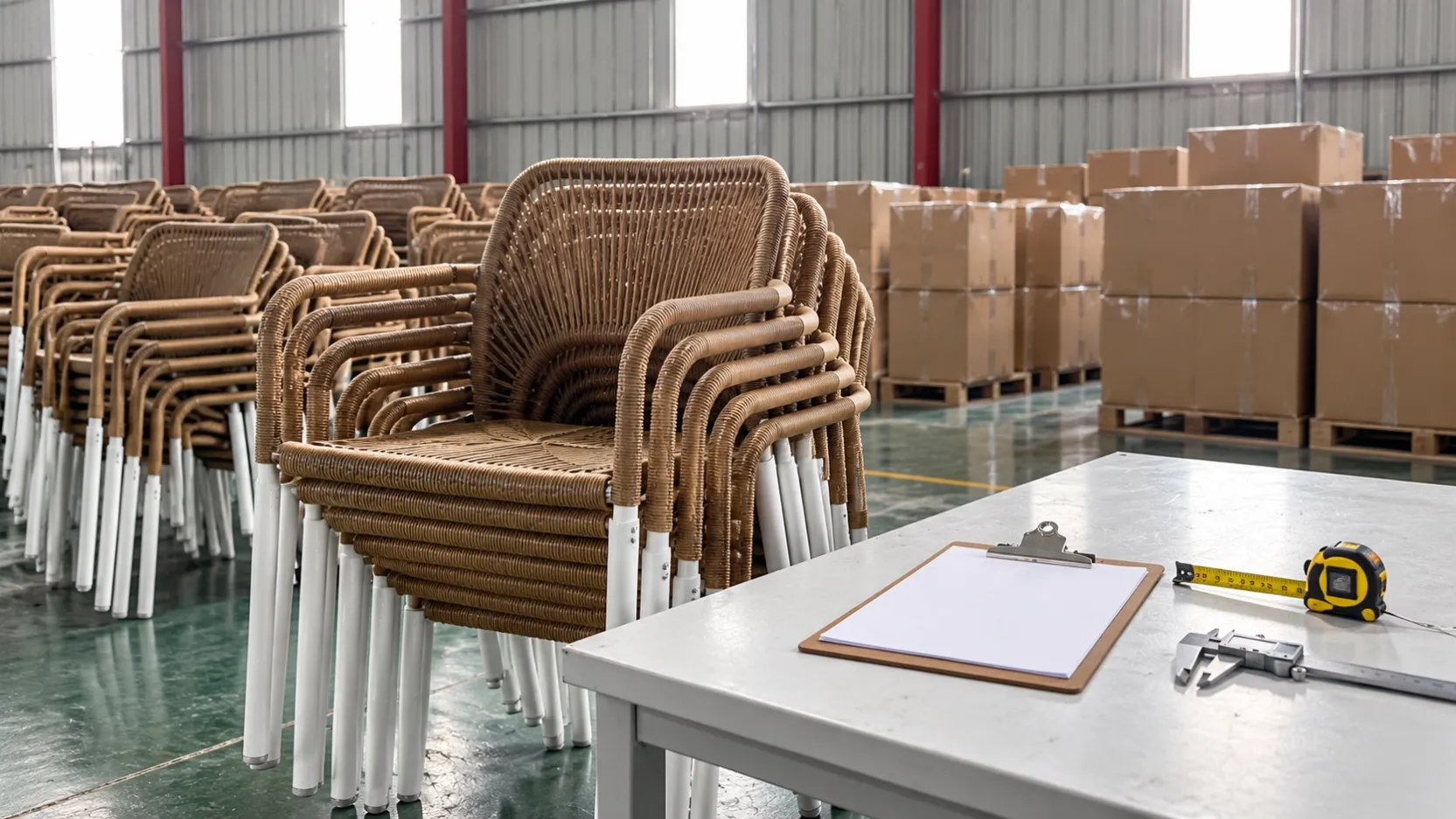
A useful inspection brief tells the inspector exactly what product version is being checked, which records control the decision, what evidence to capture and who can release or hold the shipment. Prepare it before inspection day, not after differences appear.
Start with one controlled inspection reference pack
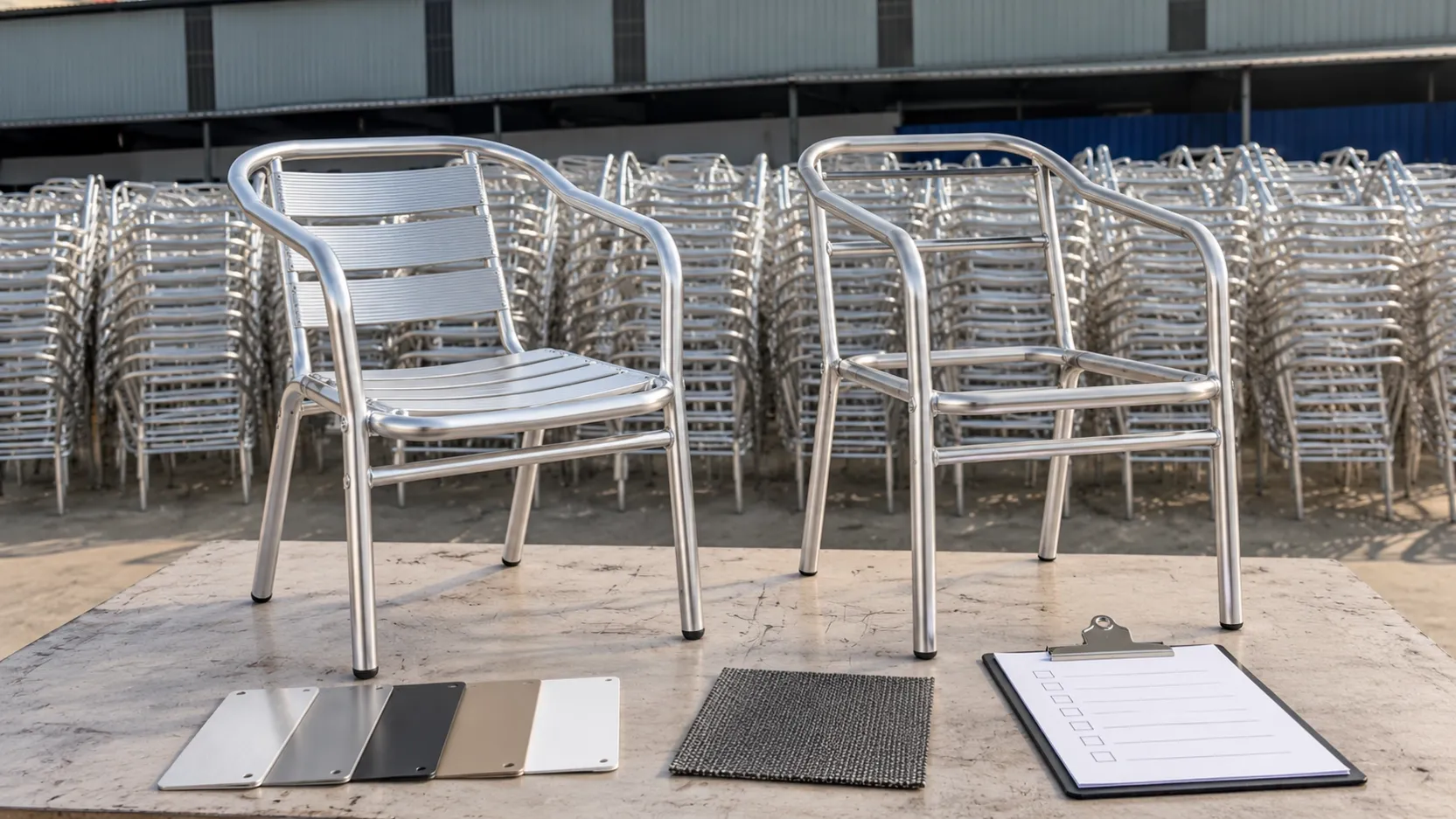
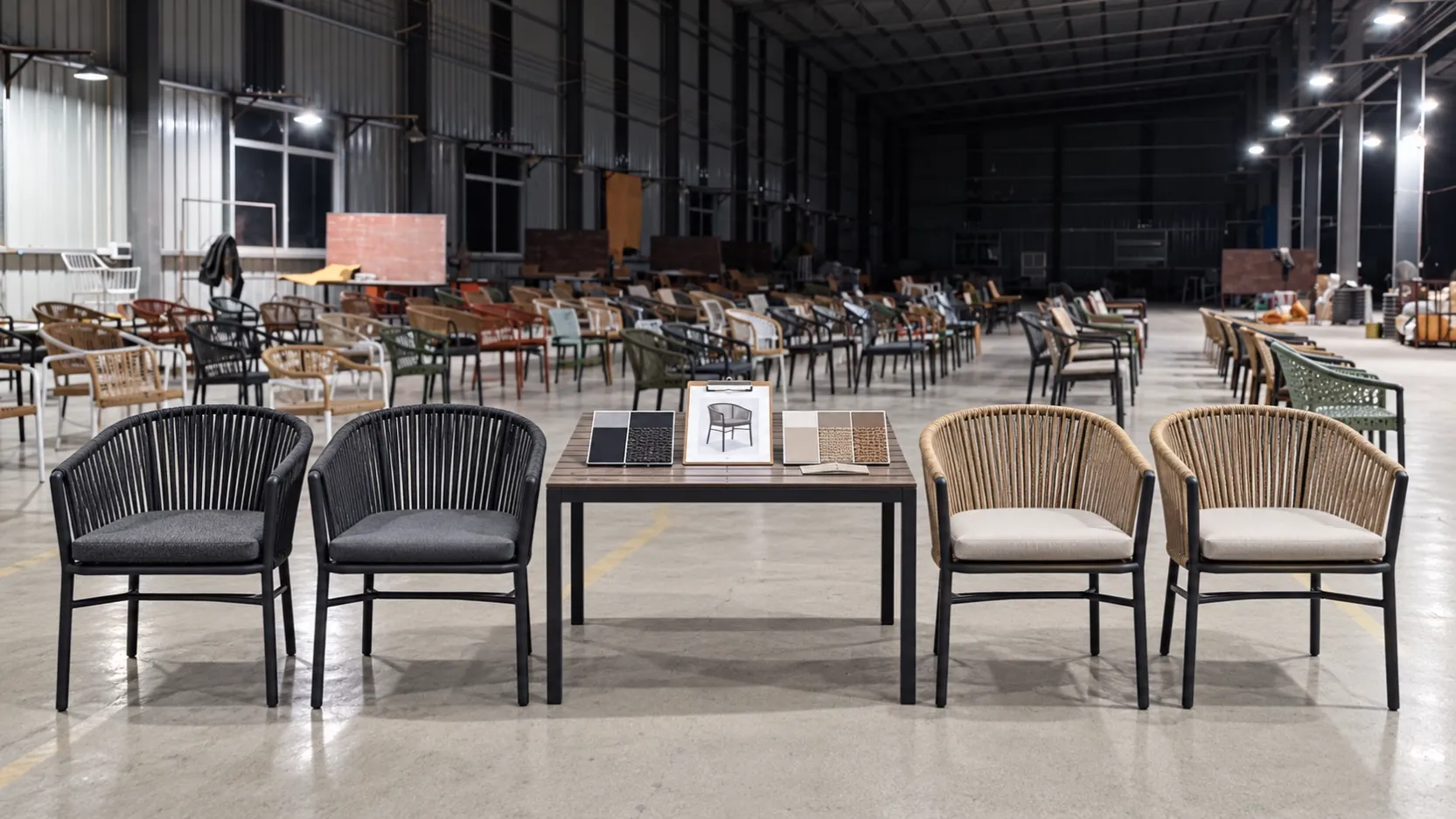
Attach the latest purchase order, exact model list, approved drawings or specifications, finish and material references, approved sample record where applicable, packing and marking requirements, and the latest confirmed revision. Give every file a clear date or revision code.
The inspector should not have to decide whether an old quotation, a marketing image or a later email controls the order. List the controlling document for each product fact and identify any item that is still open.
Separate lot identity from quality criteria
First confirm what is being presented: supplier, order number, model, variant, quantity and completion status. Then define the inspection points. Mixing identity and workmanship into one vague checklist makes it difficult to explain whether a difference is a wrong product, a wrong revision or a quality issue.
Where sampling is used, the buyer and qualified inspection provider should agree the sampling plan, inspection level and decision rule. Do not copy an AQL number from another order without understanding the product risk and contract.
Build the brief by inspection stage
| Stage | Reference to provide | Evidence to request |
|---|---|---|
| Order identity | PO, model and approved variant list | Order and product labels plus quantity overview |
| Product facts | Controlled drawing, specification and approved references | Measurements and close photographs tied to the model |
| Materials and finish | Approved material and finish record | Comparison photographs under suitable lighting and any agreed records |
| Function and assembly | Model-specific operating or assembly information | Observed checks and missing-part record |
| Workmanship | Agreed defect definitions and review rules | Wide and close views with count, location and severity |
| Packing and marks | Approved pack and carton-mark files | Open-carton sequence, protection details and visible marks |
Write observable checks, not subjective adjectives
“Good quality” is not an inspection instruction. Replace it with checks that can be identified and recorded: correct model and finish, agreed dimensions, stable assembly, complete hardware, consistent orientation, visible surface condition, cushion or textile identity where applicable, packaging sequence and approved marks.
If an acceptance limit or test method is part of the contract, quote the exact controlled source. If it is not confirmed, mark it for buyer review rather than inventing a threshold.
Define the defect evidence format
Each reported difference should show the order and model reference, the sample or unit number, the location on the product, a wide view, a close view, a scale where useful, and a concise description. Similar issues can be grouped only when the count remains clear.
Ask the report to distinguish an observation from a confirmed defect. The buyer or appointed authority should decide how contract criteria apply to borderline or undocumented differences.
Assign release, hold and clarification ownership
The inspector records evidence; the buyer's approved workflow decides what happens next. Name the person who can answer specification questions, approve a documented deviation, request a recheck or release the shipment. Record the decision and supporting evidence in the order file.
A pre-shipment report does not replace arrival checks. Use the separate delivery discrepancy guide to structure evidence after receipt.
Connect inspection findings to the purchase record
Keep the final brief, report, photographs, clarifications and decision together. Update the controlled reference if a deviation is formally accepted, so a later reorder does not silently return to the older version. The purchase order line-item guide helps make the product identity clear before inspection planning begins.
Common questions
Should every item be inspected?
That depends on the contract, risk and agreed method. A sampling plan is not the same as a full inspection. Agree the method with a qualified provider before booking the work.
Can catalogue photos control an inspection?
Only when the parties explicitly designate them as controlled references. Marketing images alone may not define dimensions, finish, packing or an exact production revision.
Who should approve a deviation?
The buyer should name an authorized decision owner. The approval should identify the exact model, order, difference and any effect on future records.
When should the brief be frozen?
Freeze the inspection version before the visit and log any later change. The inspector and buyer should always know which revision was used.
Prepare the order references before requesting a review
Send the shortlisted models, quantities, destination, latest specification references and known inspection requirements. DM Furniture can clarify current product information and identify facts that still need confirmation before a quotation or order record is finalized.
Discuss your outdoor furniture requirements
For a cleaner starting file, use the outdoor furniture RFQ guide.
Further reading
ISO 2859-1:2026 explains acceptance sampling schemes for inspection by attributes. The standard does not select a plan for a particular DM Furniture order; buyers should define the applicable method with qualified parties.